
Direct Support Professionals (DSPs) play a pivotal role in enhancing the lives of individuals with intellectual and developmental disabilities (IDD). They provide essential support that enables greater independence and quality of life for those they assist.
From personal care to community integration and skill development, DSPs are integral in promoting the well-being and growth of individuals with special needs. This comprehensive overview explores the duties, required skills, and salary trends for DSPs, highlighting the differences between DSPs and general caregivers.
What is a Direct Support Professional?
A Direct Support Professional (DSP) is a caregiver who provides assistance and support to individuals with intellectual and developmental disabilities (IDD) or other special needs. Their primary role is to help these individuals lead more independent and fulfilling lives. This support can include a wide range of home care services, such as:
- Daily Living Assistance: Helping with personal care tasks like bathing, dressing, eating, and grooming.
- Healthcare Support: Assisting with medication administration, monitoring vital signs, and helping with mobility.
- Community Integration: Encouraging and facilitating participation in community activities, social events, and employment opportunities.
- Skill Development: Teaching life skills, such as cooking, money management, and effective communication, to enhance independence.
- Emotional Support: Providing companionship, fostering self-esteem, and ensuring a supportive and caring environment.
Direct Support Professional’s Duties and Responsibilities
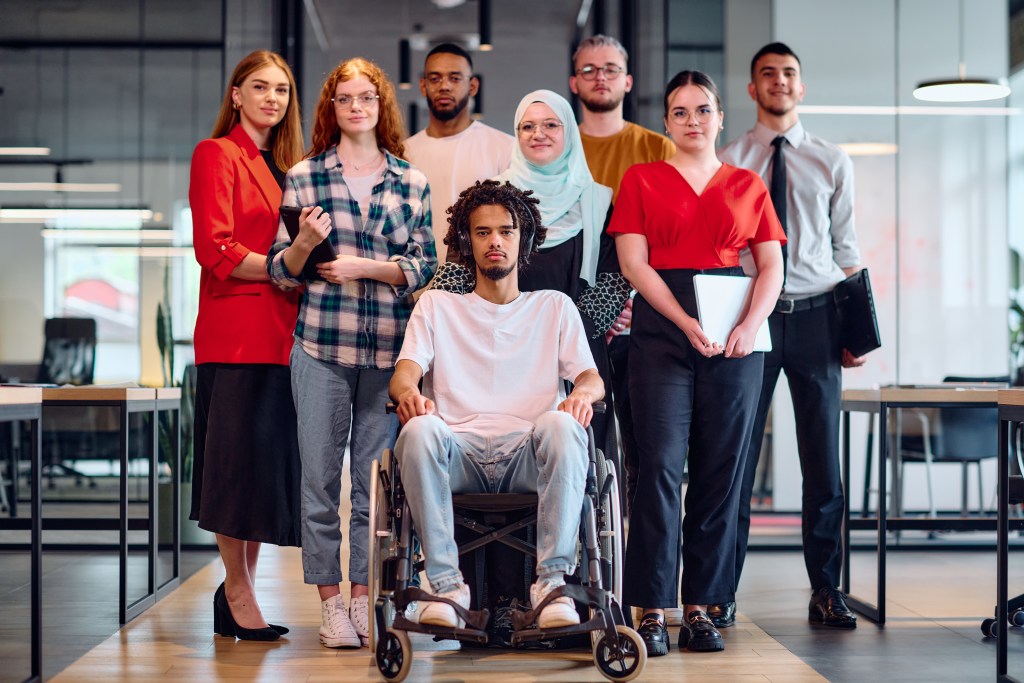
Direct Support Professionals (DSPs) have a wide range of duties and responsibilities, all aimed at supporting individuals with intellectual and developmental disabilities (IDD) to live as independently as possible. Here’s a breakdown of their key duties:
1. Personal Care Assistance
- Hygiene and Grooming: Assisting with bathing, dressing, shaving, and other personal grooming tasks.
- Feeding and Nutrition: Helping with meal preparation, feeding, and ensuring dietary needs are met.
- Toileting and Incontinence Care: Providing support with toileting, changing adult briefs, and maintaining personal cleanliness.
2. Health and Medication Management
- Medication Administration: Dispensing and managing medications according to prescribed schedules.
- Health Monitoring: Observing and recording vital signs (e.g., blood pressure, temperature) and reporting health changes.
- Medical Appointments: Accompanying individuals to medical appointments and ensuring follow-up care is provided.
3. Community and Social Integration
- Community Activities: Organizing and participating in social outings, recreational activities, and community events.
- Employment Support: Assisting individuals in finding and maintaining employment, including job coaching.
- Transportation: Providing or coordinating transportation to various activities and appointments.
4. Skill Development
- Life Skills Training: Teaching daily living skills such as cooking, cleaning, money management, and effective communication.
- Educational Support: Helping with academic tasks or vocational training.
- Goal Setting: Assisting individuals in setting and working towards personal goals, such as learning new skills or becoming more independent.
5. Behavioral Support
- Crisis Intervention: Providing support during behavioral crises, using de-escalation techniques when necessary.
- Behavioral Plans: Implementing and following individualized behavior support plans to manage challenging behaviors.
- Emotional Support: Offering companionship and emotional support, helping individuals build self-esteem and confidence.
6. Household Management
- Housekeeping: Assisting with or performing household chores such as cleaning, laundry, and organizing.
- Budgeting: Helping individuals manage their finances, pay bills, and make purchases.
- Home Maintenance: Ensuring the living environment is safe, clean, and well-maintained.
7. Documentation and Reporting
- Record Keeping: Maintaining accurate records of care provided, health changes, and progress towards goals.
- Reporting: Communicating regularly with supervisors, family members, and other care team members regarding the individual’s needs and well-being.
- Compliance: Ensuring all care provided meets regulatory requirements and organizational policies.
8. Advocacy
- Rights Advocacy: Supporting individuals in understanding and exercising their rights.
- Decision-Making Support: Helping individuals make informed decisions about their lives and care.
- Resource Coordination: Connecting individuals with resources and services that can enhance their quality of life.
The Direct Support Professional’s Skills

Direct Support Professionals (DSPs) need a diverse set of skills to effectively support individuals with intellectual and developmental disabilities (IDD). These skills enable them to provide high-quality care, foster independence, and promote a positive quality of life for those they support. Here are the key skills required for a DSP:
1. Communication Skills
- Active Listening: Understanding the needs, preferences, and concerns of the individuals they support.
- Clear Verbal Communication: Explaining tasks, instructions, and information in a way that is easily understood.
- Non-Verbal Communication: Reading body language and using gestures or visual cues to communicate with individuals who have limited verbal skills.
2. Empathy and Compassion
- Emotional Sensitivity: Showing understanding and compassion for the emotional and physical challenges faced by individuals with IDD.
- Patience: Remaining calm and patient, especially in situations where individuals may have difficulty expressing themselves or may exhibit challenging behaviors.
3. Problem-Solving Skills
- Crisis Management: Quickly assessing and addressing emergencies or unexpected situations.
- Creative Solutions: Finding innovative ways to help individuals overcome obstacles and achieve their goals.
4. Adaptability and Flexibility
- Situational Flexibility: Adapting to changing needs, routines, and environments as required by the individuals they support.
- Willingness to Learn: Being open to ongoing training and new approaches to care.
5. Time Management
- Prioritization: Balancing multiple tasks and responsibilities efficiently.
- Punctuality: Ensuring that support and care are provided on time, especially for scheduled activities or medication administration.
6. Technical Skills
- Healthcare Knowledge: Understanding basic healthcare practices, such as administering medication, first aid, and monitoring vital signs.
- Technology Proficiency: Using assistive technologies, communication devices, and documentation software as part of the care process.
7. Behavioral Support Skills
- De-escalation Techniques: Managing challenging behaviors and preventing or mitigating crises.
- Positive Reinforcement: Encouraging desired behaviors through praise and rewards.
8. Organizational Skills
- Record Keeping: Maintaining accurate and organized documentation of care, progress, and incidents.
- Resource Management: Efficiently using resources, such as time, materials, and transportation, to support individuals.
9. Physical Stamina
- Endurance: Performing physically demanding tasks, such as lifting, assisting with mobility, or providing personal care, often for extended periods.
- Safety Awareness: Following proper techniques to ensure the safety of both themselves and the individuals they support.
10. Teamwork and Collaboration
- Interdisciplinary Collaboration: Working effectively with other home care providers, family members, and support teams to provide holistic care.
- Supportive Attitude: Contributing to a positive team environment and being willing to assist colleagues when needed.
11 Cultural Competence
- Respect for Diversity: Understanding and respecting the cultural, religious, and personal values of the individuals they support.
- Inclusive Care: Providing care that is sensitive to and inclusive of diverse backgrounds and lifestyles.
12. Advocacy Skills
- Rights Advocacy: Empowering individuals to understand and exercise their rights.
- Supportive Decision-Making: Assisting individuals in making informed choices about their care and life.
Direct Support Professional’s Salary in 2024

As of 2024, the salary for Direct Support Professionals (DSPs) in the USA can vary widely based on factors such as location, experience, education, and the specific organization or setting in which they work. However, here are some general trends:
Average Salary
The average annual salary for a DSP in the United States typically ranges from $27,000 to $35,000 per year, which breaks down to approximately $13 to $17 per hour.
Factors Affecting Salary
There are 5 major key features that determine the salary of a direct support professional in the US, which are as follows:
1. Location
- Salaries tend to be higher in states with a higher cost of living, such as California, New York, and Massachusetts, where DSPs might earn upwards of $18 to $20 per hour.
- In states with a lower cost of living, like Mississippi or Alabama, wages may be closer to the lower end of the scale, around $12 to $14 per hour.
2. Experience
- Entry-level DSPs may start at the lower end of the pay scale.
- More experienced DSPs or those with specialized skills (e.g., in behavioral health) may earn higher wages, sometimes exceeding $40,000 per year.
3. Employer Type
- Non-profit organizations, government agencies, and private healthcare companies may offer different pay scales.
- Some employers may offer additional benefits, such as healthcare, retirement plans, and paid time off, which can add value to the overall compensation package.
4. Certification and Education
- DSPs with additional certifications (e.g., Certified Nursing Assistant, CPR certification) or higher education (e.g., an associate degree in a related field) may command higher wages.
5. Unionization
- In some areas, DSPs who are part of a union may receive higher wages and better benefits due to collective bargaining agreements.
Direct Support Professional’s Salary at OneWell Health Care
At OneWell Health Care, we value our Direct Support Professionals (DSPs) and offer a slightly higher salary & plenty of benefits compared to other agencies, recognizing the essential work they do in supporting individuals with intellectual and developmental disabilities. Our competitive pay rate varies from state to state, reflecting the local cost of living and industry standards. We encourage you to visit our careers page to explore current career openings in your area and apply for a rewarding career with OneWell Health Care based on your location.
Direct Support Professionals vs Caregivers: What Are the Differences Between Them?

Direct Support Professionals (DSPs) and caregivers both provide essential support to individuals with various needs, but there are key differences in their roles, responsibilities, and the settings in which they work. Here’s a comparison:
1. Scope of Responsibilities
Direct Support Professionals (DSPs):
- Focus: Primarily work with individuals who have intellectual and developmental disabilities (IDD) or other special needs.
- Responsibilities: Includes assisting with daily living skills, personal care, healthcare support, behavioral management, and skill development. DSPs often work in settings such as group homes, community settings, private homes, or specialized care facilities.
- Skills and Training: Requires specialized training in areas like behavior support, crisis intervention, and individualized care plans. Certification and ongoing education may be required.
Caregivers:
- Focus: Generally provide support to individuals with a range of needs, including elderly people, individuals with chronic illnesses, or those recovering from injuries.
- Responsibilities: Includes personal care, assistance with activities of daily living (ADLs), medication reminders, and companionship. Caregivers often work in private homes, assisted living facilities, or nursing homes.
- Skills and Training: Training may vary based on the needs of the individual they are caring for. Caregivers might not need as extensive specialized training as DSPs, but they may still receive training in areas like first aid and basic caregiving skills.
2. Work Environment
Direct Support Professionals (DSPs):
- Work Settings: Often work in group homes, residential care facilities, private homes, or community-based settings designed specifically for individuals with IDD.
- Environment: May involve structured programs and activities tailored to the needs of individuals with disabilities.
Caregivers:
- Work Settings: Typically work in private homes, assisted living facilities, or long-term care facilities.
- Environment: May involve more individualized, personal care and less structured activities compared to DSPs.
3. Role Focus
Direct Support Professionals (DSPs):
- Focus: Emphasizes enhancing independence, social integration, and life skills for individuals with IDD. DSPs often implement personalized care plans and work closely with other professionals and family members.
Caregivers:
- Focus: Primarily on providing day-to-day personal care, support, and companionship. The focus is often on maintaining the individual’s comfort, safety, and well-being.
Direct Support Professionals (DSPs):
4. Qualifications and Training
- Qualifications: May require specialized certifications or degrees, such as in developmental disabilities or social work.
- Training: Extensive training in areas like behavioral management, medical care, and individualized support plans.
Caregivers:
- Qualifications: Generally requires basic training in caregiving, but formal qualifications may not be as extensive.
- Training: Training focuses on personal care, basic medical assistance, and providing emotional support.
In summary, while both DSPs and caregivers provide crucial support, DSPs often have a more specialized role with a focus on individuals with IDD, requiring specific training and working in specialized environments. Caregivers provide broader personal support across various settings and populations, with less specialized training.
Conclusion: What is a Direct Support Professional?
In summary, Direct Support Professionals are dedicated caregivers with specialized skills and training aimed at supporting individuals with IDD. Their work involves a broad range of responsibilities, from personal care and health management to community engagement and skill-building.
The role of a DSP is distinct from that of general caregivers, focusing more on specialized support and behavioral management. With competitive salaries and various benefits, DSPs at OneWell Health Care and similar organizations are well-compensated for their critical contributions. For those interested in pursuing a rewarding career in this field, exploring DSPs’ local job opportunities can be a great first step.