
Caring for a family member as a caregiver can be an incredibly fulfilling but demanding role. Whether you’re supporting an aging parent, a disabled sibling, or a loved one with a chronic illness, family caregivers are essential in ensuring their well-being and quality of life. But how do you officially become a caregiver for a family member, and what responsibilities does it involve?
This comprehensive guide will walk you through how to become a caregiver for a family member, explore family caregivers pay rates by state, and provide insights into overcoming the challenges that come with caregiving. Whether you’re seeking financial support through Medicaid or looking for strategies to balance your personal and caregiving responsibilities, this article will equip you with everything you need to know about becoming a certified family caregiver.
What is a Caregiver for a Family Member?
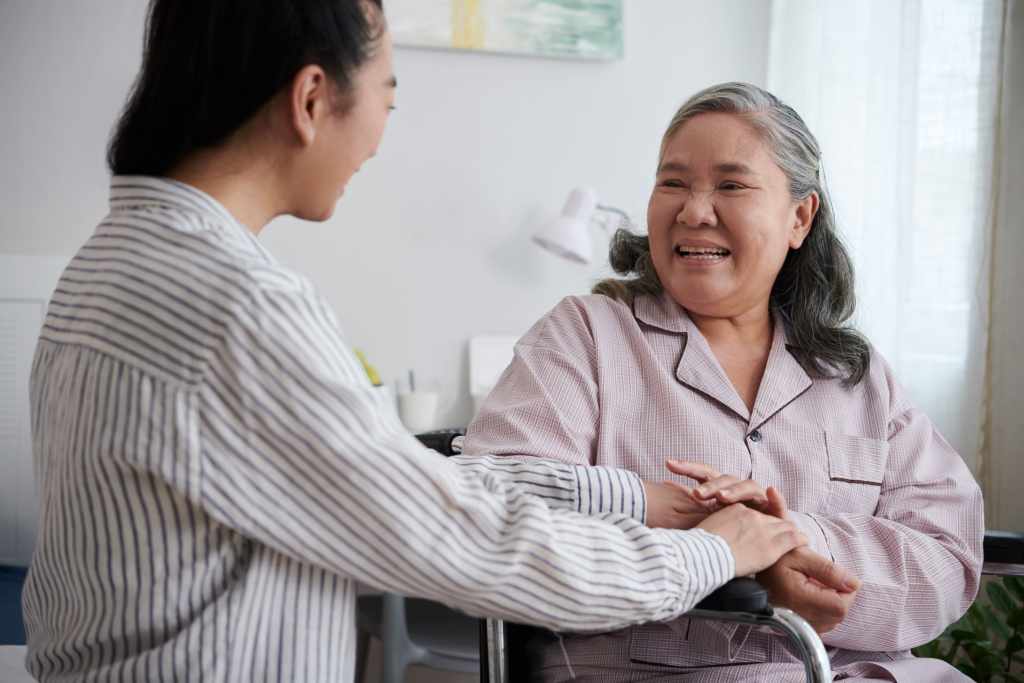
A family caregiver is someone who provides care and support to a family member who cannot fully care for themselves due to age, disability, or illness. Unlike professional caregivers, family caregivers are usually unpaid, though some programs offer compensation or financial assistance. Family caregivers play a vital role in maintaining the health and well-being of their loved ones, often taking on tasks such as medication management, personal care, household duties, and even medical appointments.
What are the Responsibilities of a Family Caregiver?
Family caregivers manage a variety of tasks depending on the specific needs of their loved one. These responsibilities of a family caregiver can range from basic daily activities like bathing, dressing, and meal preparation to more complex tasks such as administering medication, managing finances, and coordinating with healthcare providers.
In many instances, caregivers may also be responsible for organizing and accompanying their family members to medical appointments, ensuring that all necessary information is communicated to healthcare professionals. This role often includes maintaining a record of symptoms, treatments, and changes in health status, which can be vital for ongoing care.
Additionally, family caregivers frequently provide emotional and social support, acting as an advocate for their family member’s needs within the healthcare system. They help combat feelings of loneliness and isolation by engaging in meaningful conversations, encouraging social interactions, and facilitating connections with community resources or support groups.
What is the family caregiver pay rate?
Family caregivers often wonder about compensation for their services, particularly given the demanding nature of their responsibilities. While many family caregivers are unpaid, certain programs and states offer financial support to ease the financial burden. This compensation is crucial for caregivers who often need to reduce their own working hours or even leave their jobs to provide full-time care. Pay rates can vary significantly depending on the state, the program, and the caregiver’s role, making it essential to explore the specific options available in each state.
Pay Rate in Pennsylvania (PA)
In Pennsylvania, family caregivers may be eligible for financial assistance through programs such as the Waiver Program or the Aging Waiver. These programs aim to support older adults and those with disabilities by allowing them to remain in their homes with proper care. The pay rates can vary significantly based on the specific services provided and the funding source. According to the Pennsylvania Department of Human Services, caregivers can earn between $12 to $15 per hour for personal care services, depending on qualifications and the agency providing funding. It’s important for caregivers to consult with local agencies to explore all their options, as eligibility and pay can fluctuate.
Pay Rate in South Carolina (SC)
In South Carolina, the Medicaid Home and Community-Based Services (HCBS) Waiver provides financial support for family caregivers. This waiver helps elderly and disabled individuals receive care in their homes rather than in institutional settings. The pay rate varies but typically falls between $10 to $15 per hour, depending on the complexity of the care provided. South Carolina also offers resources through the South Carolina Department of Health and Human Services to help caregivers navigate financial assistance, ensuring that caregivers can sustain their important work without facing undue financial hardship. It’s worth noting that pay rates may increase based on the caregiver’s training or the specific needs of the family member.
Pay Rate in Connecticut (CT)
Connecticut’s family caregivers can access compensation through the Connecticut Home Care Program for Elders, which is designed to provide financial support for elderly residents who need assistance. The pay rate can range from $13 to $20 per hour, depending on the services provided and the funding source. In addition to hourly wages, caregivers in Connecticut may also be eligible for respite care services and additional support to manage caregiver stress. It’s vital for caregivers to contact local agencies to fully understand their compensation and benefits package, as different programs may offer varying levels of financial aid.
Pay Rate in New Jersey (NJ)
In New Jersey, the New Jersey Division of Aging Services offers programs that provide compensation to family caregivers, with a focus on keeping individuals in their homes and communities. The pay rate can vary significantly based on the program, but caregivers typically earn between $15 to $25 per hour. Some caregivers may also qualify for additional benefits, such as health insurance or pension contributions, depending on the program’s structure. These programs are designed to relieve the financial pressure on family caregivers while ensuring that loved ones receive the care they need at home. It’s recommended to contact local agencies to explore eligibility and apply for financial support.

Does Medicare or Medicaid pay family caregivers?
Family caregivers often face financial challenges as they balance caregiving with their personal and professional lives. Many wonder whether they can receive compensation through federal programs like Medicare or Medicaid to help offset some of the costs associated with caregiving. Understanding which programs offer financial assistance, and how caregivers can access these benefits, is crucial. In this section, we will explore how Medicaid supports family caregivers and whether Medicare offers similar financial support.
Medicare, the federal health insurance program, generally does not pay family caregivers for long-term care services. However, certain Medicaid programs may offer compensation to family caregivers through state-level waivers and support services. The rules can vary significantly depending on the state and specific Medicaid program, making it essential for caregivers to explore local options.
Medicaid Supports for Family Caregivers
Medicaid, unlike Medicare, offers more opportunities for family caregivers to receive compensation. Through programs like the Home and Community-Based Services (HCBS) Waivers or Cash and Counseling Programs, Medicaid provides financial assistance to eligible individuals who choose to receive care at home rather than in a facility. These programs allow family members, including spouses, children, or siblings, to become paid caregivers, helping to alleviate the financial burden of caregiving.
Many states offer these waivers, which can vary in terms of eligibility requirements, pay rates, and services covered. For instance, the Personal Care Services (PCS) Program is available in several states and allows Medicaid beneficiaries to hire family members as paid caregivers. In these programs, Medicaid typically covers personal care tasks such as bathing, dressing, meal preparation, and other activities of daily living (ADLs).
However, navigating Medicaid can be complex, and caregivers should consult with their state’s Medicaid office or a local healthcare advisor to understand the specific programs available and how to apply for compensation. In addition, some states may have waiting lists for these waivers due to limited funding.
Challenges of Being a Caregiver for a Family Member
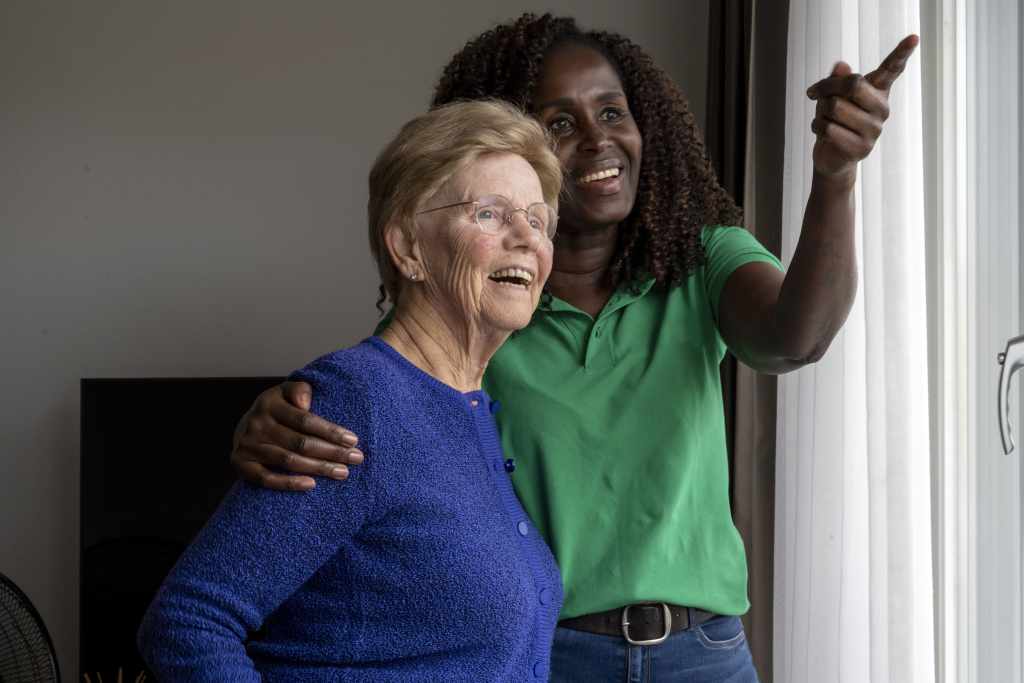
Family caregivers often face a unique set of challenges that can be emotionally, physically, and financially overwhelming. As the responsibilities of caregiving grow, it can lead to caregiver burnout, stress, and a feeling of isolation. Understanding these challenges can help caregivers find the support and resources they need to manage their duties while maintaining their well-being.
Common Challenges Family Caregivers Face
Caring for a family member can be deeply rewarding, but it also comes with a range of common challenges. One of the most significant is time management, as caregiving responsibilities can quickly consume much of a person’s daily routine. Emotional challenges, such as dealing with the declining health of a loved one, can also take a toll on a caregiver’s mental well-being. Additionally, many caregivers report feeling isolated from social activities due to their full-time caregiver duties.
Other challenges include balancing caregiving with professional work, the physical strain of providing care, and understanding medical procedures. These stressors often combine, leading to fatigue and, in some cases, depression.
Coping Strategies for Managing Caregiver Stress
Managing stress is essential for family caregivers to avoid burnout and maintain their well-being. Setting realistic expectations, asking for help, and making time for self-care are critical strategies for stress management. Support groups, both in-person and online, can provide emotional relief by connecting caregivers with others facing similar challenges. Moreover, utilizing respite care services can give caregivers much-needed breaks to recharge.
Time management techniques, such as prioritizing tasks and creating a caregiving schedule, can also reduce stress. Physical exercise, mindfulness practices, and hobbies can further help in managing emotional strain.
Balancing Personal Life and Caregiver Responsibilities
One of the hardest parts of caregiving is finding a balance between personal life and caregiving duties. Many caregivers struggle to juggle work, personal relationships, and their own needs while providing care to a family member. Learning to set boundaries and maintain a healthy work-life balance is critical. This might involve delegating tasks to other family members or exploring paid caregiving options, allowing the caregiver to maintain their employment or other personal responsibilities.
Caregivers are encouraged to take advantage of community resources, such as adult day care programs or home health aides, to reduce their workload. Open communication with employers, family members, and healthcare providers can also alleviate some of the pressures associated with full-time caregiving.

How to Become a Certified Caregiver for a Family Member?
Becoming a certified caregiver for a family member not only ensures that you are well-equipped to provide the best care possible, but it can also open up opportunities for financial support through various state and federal programs. Certification requirements vary by state, but the process typically involves completing a certain number of training hours and passing an exam to ensure that you have the skills and knowledge necessary to care for your loved one safely and effectively.
Taking this step provides peace of mind, knowing that you are fully prepared to handle your family member’s needs, while also opening doors to valuable resources that can make caregiving more manageable. It’s a meaningful way to formalize your role and gain access to essential support systems.
Get Certified with OneWell: Your Path to Becoming a Family Caregiver
If you’re interested in becoming a certified family caregiver, our team at OneWell is here to guide you through the process. Whether you’re just starting out or looking for resources and support along the way, we can provide the necessary information to get certified. Please visit our contact us page to speak with a member of our team and take the first step toward becoming a certified caregiver for your family member. By reaching out to us, you’ll also gain access to valuable resources, including information on caregiver training programs, financial assistance, and ongoing support tailored to your unique situation. Let us help you navigate the certification process and find the solutions that best meet your needs.
The article provides valuable insights into the responsibilities of family caregivers. It highlights the crucial role that home nursing services play in supporting families, especially in areas like Krishnagiri. As a caregiver, understanding the available resources can significantly impact the quality of care provided. I appreciate the information on financial support options; they can alleviate some of the burdens that caregivers face while ensuring that their loved ones receive the best care possible.
Caring for a family member is a profound commitment, and this article does an excellent job of outlining both the challenges and the rewards of being a caregiver. The mention of inhome nursing care is particularly relevant, as it offers an alternative to full-time caregiving. For those of us in Kanyakumari, knowing about available community resources and financial support options can make a world of difference in balancing personal and caregiving responsibilities.
I found this guide on becoming a family caregiver incredibly informative. The detailed breakdown of pay rates by state, including the insights into Medicaid programs, is especially helpful for families in Chengalpattu considering hiring an at home nurse. It’s comforting to know there are avenues for financial assistance available to support family caregivers, which can help them provide better care for their loved ones without compromising their financial stability.
This article sheds light on the often-overlooked challenges faced by family caregivers. I appreciate the emphasis on mental health and the importance of self-care. For families in Namakkal seeking assistance, knowing about options for home medical services and respite care is vital. These resources can help caregivers manage stress and prevent burnout while ensuring that their loved ones receive the care they need.
I found the section about becoming a certified caregiver very enlightening. It’s crucial for caregivers to have access to proper training and support. For those in Kanchipuram, seeking a care taker at home or a nurse in home can provide peace of mind, knowing that their family member is in capable hands. The article’s emphasis on certification opens up many opportunities for financial support, making caregiving a more sustainable role for many families.
I lived with my daughter for 2 months after a surgery. I am now back home and my adult son ya is care of me. How do I apply?
Dear Jean Jacksonf,
Thank you for your interest! To proceed, please fill out our contact form https://onewell.org/contact-us/ , and a representative from your state will reach out to you with more details.
Solo hablo espanol soy ciudadana Americana