

The career landscape for Speech-Language Pathologists (SLPs) in Pennsylvania is evolving. While schools and outpatient clinics have traditionally been the most common work settings, a growing number of SLPs are transitioning into home health roles—and for good reason.
From increased autonomy to stronger patient relationships, home health is redefining what a sustainable and fulfilling SLP career can look like. This shift is not just a trend—it reflects deeper changes in how care is delivered and how clinicians want to work.
The Traditional Path: Schools and Clinics
For decades, SLPs have primarily worked in educational or clinical environments. Schools offer structured schedules and consistent caseloads, while clinics provide access to multidisciplinary teams and controlled treatment settings.
However, these environments also come with limitations:
- High caseload volumes in schools
- Administrative demands and documentation pressures
- Limited flexibility in scheduling
- Standardized treatment models that may not fit every individual
As the demand for more personalized, person-centered care grows, many SLPs are finding that these traditional settings no longer align with their professional goals.

The Rise of Home Health Speech Therapy in Pennsylvania
Home health services are expanding rapidly across Pennsylvania, especially within the Intellectual and Developmental Disabilities (IDD) and aging populations. This growth has created new opportunities for SLPs to deliver care in more meaningful and adaptable ways.
According to the American Speech-Language-Hearing Association, demand for speech-language pathology services continues to increase nationwide, particularly in community-based and home settings.
Additionally, Pennsylvania’s emphasis on Home and Community-Based Services (HCBS) has accelerated this shift, allowing individuals to receive care in familiar environments rather than institutional settings.
For SLPs, this means more opportunities to practice in settings that prioritize real-life application and functional outcomes.
1. Greater Flexibility and Work-Life Balance
One of the most significant reasons SLPs are moving into home health is flexibility.
Unlike school schedules or clinic hours, home health allows clinicians to:
- Build their own schedules
- Accept cases based on availability and preference
- Reduce burnout by managing workload more effectively
This level of control is especially appealing for professionals balancing family responsibilities, continuing education, or multiple part-time roles.
In Pennsylvania, where SLPs often serve multiple counties or regions, flexible scheduling also reduces the rigidity of commuting to a single location every day.
2. More Meaningful, Real-World Impact
In home health, therapy doesn’t happen in isolation—it happens in the individual’s actual living environment.
This allows SLPs to:
- Address communication challenges in real-life contexts
- Involve family members and caregivers directly
- Tailor interventions to daily routines
For example, instead of practicing communication skills in a clinical room, an SLP might help an individual navigate conversations during meals, daily tasks, or community interactions.
This leads to more functional progress and long-term success.
3. Stronger Relationships with Individuals and Families
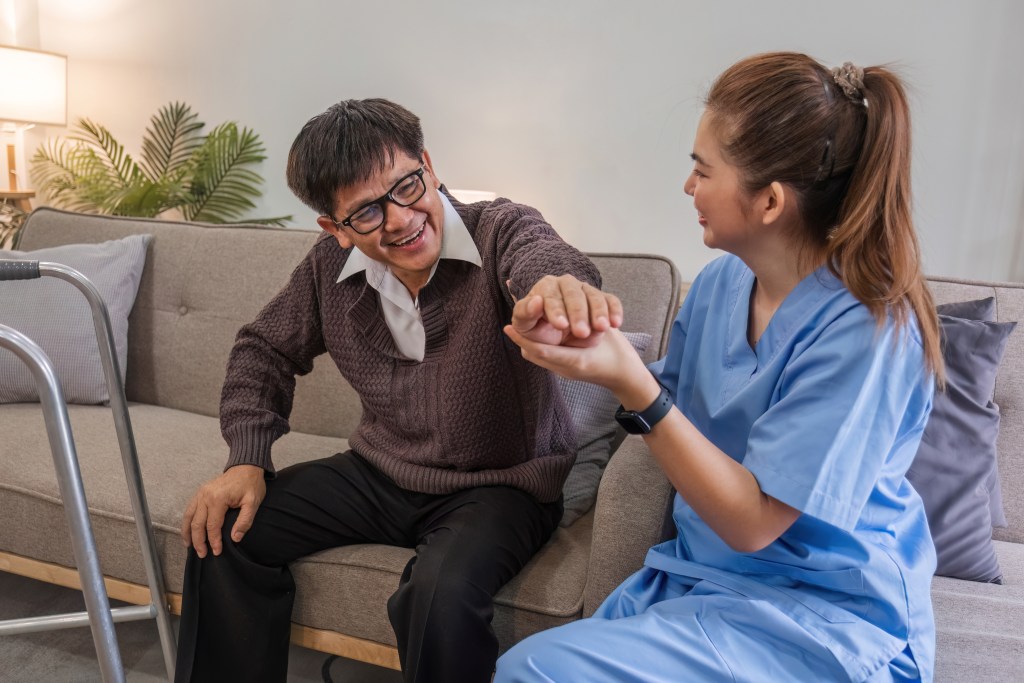
Home health naturally fosters deeper connections.
In schools or clinics, time constraints and caseload sizes can limit interaction. In contrast, home-based care allows SLPs to:
- Spend more focused time with each individual
- Build trust with families
- Understand the full context of each person’s needs
These relationships are especially important when working with individuals with IDD, where consistency and familiarity play a key role in communication development.
4. Increased Autonomy and Clinical Freedom
Home health SLPs often experience greater clinical independence.
Instead of strictly following institutional protocols, they can:
- Design individualized treatment plans
- Adjust strategies in real time
- Focus on person-centered care
This autonomy allows clinicians to apply their expertise more creatively and effectively.
It also aligns with modern healthcare models that emphasize individualized outcomes rather than standardized benchmarks.
5. Competitive Compensation and Career Growth
Financial considerations also play a role in this shift.
Many home health SLP roles in Pennsylvania offer:
- Competitive per-visit rates
- Mileage reimbursement
- Opportunities for part-time or full-time flexibility
Additionally, as demand continues to grow, SLPs in home health are finding more opportunities for leadership roles, program development, and specialization.
For those exploring new opportunities, you can view current openings on the OneWell Health Care Careers Page.

6. Alignment with Person-Centered Care Models
Healthcare is moving toward more individualized, community-based care—and home health is at the center of this shift.
Pennsylvania’s HCBS waivers emphasize:
- Independence
- Community integration
- Personalized support plans
SLPs working in home health play a critical role in supporting these goals by helping individuals communicate effectively in their everyday lives.
You can learn more about HCBS initiatives through the Centers for Medicare & Medicaid Services.
7. Reduced Burnout Compared to Traditional Settings
Burnout is a growing concern among SLPs, particularly in school systems with high caseload demands.
Home health offers a different pace:
- Fewer back-to-back sessions
- More control over workload
- Greater sense of impact and fulfillment
While home health comes with its own challenges—such as travel and documentation—it often provides a more sustainable long-term career path.
Challenges to Consider
While home health offers many advantages, it’s important to approach it with a clear understanding of potential challenges:
- Travel between visits
- Variable schedules depending on caseload
- Increased independence (less immediate team support)
However, many organizations provide strong support systems, including training, supervision, and care coordination, to ensure clinicians feel supported.

Why This Shift Matters for Pennsylvania
The transition toward home health is not just beneficial for SLPs—it also addresses critical gaps in care.
Many individuals in Pennsylvania face:
- Long waitlists for services
- Limited access to specialized therapy
- Barriers to transportation
Home-based speech therapy helps bridge these gaps by bringing services directly to individuals.
Organizations like OneWell Health Care are actively expanding home and community-based services to meet this growing need.
Conclusion: A More Sustainable Future for SLPs
The shift from schools and clinics to home health reflects a broader transformation in healthcare—one that prioritizes flexibility, personalization, and meaningful outcomes.
For speech-language pathologists in Pennsylvania, home health offers:
- Greater control over their careers
- Stronger connections with individuals and families
- The ability to make a real, lasting impact
As demand for community-based services continues to grow, home health is becoming not just an alternative—but a preferred path for many SLPs.


Comments
On the live site, comments are moderated before they appear.
Thanks! On the live site your comment would be submitted for review.