
In today’s world, technology has transformed countless aspects of life, particularly for those facing physical and cognitive challenges. Assistive technology for people with disabilities has revolutionized the way individuals navigate their daily lives. These tools and devices help improve mobility, communication, and overall independence, empowering millions of people worldwide. From simple tools like canes and hearing aids to more complex systems like powered wheelchairs and speech-generating devices, assistive technology plays a crucial role in leveling the playing field for people with disabilities.
In this blog, we will explore the various types of assistive technology available, their impact on everyday life, and how to access the right solutions for your needs. Whether you’re a person with a disability, a family member, or simply researching AT, this guide is designed to provide valuable insights into the world of assistive technology.
What is Assistive Technology?
Assistive technology refers to any device, software, or equipment that helps people with disabilities improve their quality of life and maintain greater independence. These tools are designed to assist with everyday tasks that might otherwise be difficult due to physical, cognitive, or sensory limitations.
Types of Assistive Technology Devices
Assistive technology devices come in many forms, each designed to support different needs. Broadly, they fall into the following categories:
- Mobility Aids: Devices like wheelchairs, walkers, and canes that assist individuals with physical mobility challenges.
- Hearing Aids and Assistive Listening Devices: Tools such as hearing aids and cochlear implants that help individuals with hearing impairments.
- Visual Aids: Tools designed to support those with visual impairments, such as screen readers and Braille displays.
- Communication Devices: These include devices and software that help individuals with speech or communication disabilities, such as speech-generating devices and text-to-speech software.
- Cognitive Assistance Tools: Technologies like memory aids and task management apps that assist individuals with cognitive disabilities in organizing their daily activities.
Each of these types of devices serves a unique function, tailored to address specific challenges faced by individuals with disabilities.
Examples of Assistive Technology Devices for People with Disabilities
To better understand the role of assistive technology for people with disabilities, let’s explore some concrete examples of devices commonly used by individuals in this community:
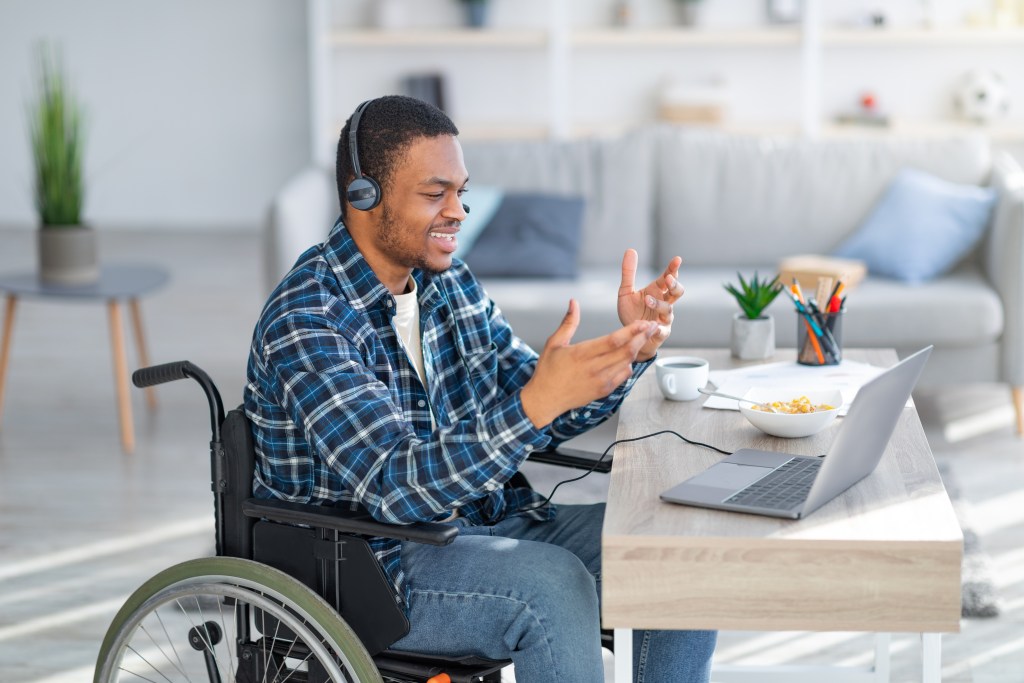
- Wheelchairs and Scooters (Mobility Aids): Both manual and powered wheelchairs offer freedom of movement, while scooters provide a more mobile solution for those who may not be able to walk long distances.
- Speech-Generating Devices (Communication Devices): These devices enable individuals with speech difficulties to communicate by producing speech from typed text or selected symbols.
- Braille Readers (Visual Aids): Braille displays convert digital text into Braille for those who are blind or visually impaired, allowing them to read and interact with technology.
- Hearing Aids (Hearing Devices): These amplify sounds for individuals with hearing impairments, helping them engage in conversations and hear environmental sounds more clearly.
These examples showcase the diversity of assistive technology and its ability to adapt to various needs and environments.
The Purpose of Assistive Devices for Disabled Individuals
The primary purpose of assistive technology devices is to enhance the lives of individuals with disabilities by promoting independence and improving overall quality of life. Here are a few key ways these devices achieve this:
- Increasing Accessibility: Assistive devices enable people with disabilities to perform tasks that might otherwise be impossible or challenging, such as moving around, communicating, or reading.
- Enhancing Independence: By providing the necessary support, these devices allow users to carry out daily tasks without relying on others, fostering a sense of autonomy.
- Improving Social Interaction: Communication devices, hearing aids, and mobility aids enable individuals to engage more easily in social settings, allowing them to participate more fully in their communities.
- Supporting Education and Employment: Assistive technologies like screen readers, AAC devices, and cognitive aids make it possible for individuals to access educational resources and perform job-related tasks, promoting inclusion in schools and workplaces.
Ultimately, assistive technology for people with disabilities empowers them to lead more fulfilling and self-sufficient lives, breaking down barriers to accessibility and inclusion.

What Are the Assistive Technologies Used by People with Disabilities?
Assistive technology covers a wide range of devices and tools that help individuals with disabilities live more independent and fulfilling lives. The types of technology vary greatly depending on the specific needs of the user, ranging from mobility aids to communication devices. These tools not only assist in performing daily tasks but also open up new opportunities for education, employment, and social interaction.
What is the Most Common Assistive Technology?
Some of the most commonly used assistive technologies include mobility aids such as wheelchairs and scooters, hearing aids for individuals with hearing impairments, and screen readers for those with visual impairments. These devices are essential for daily functioning and can significantly enhance a person’s ability to participate in everyday activities. Here are a few examples of widely-used assistive technology:
- Hearing Aids: Devices that amplify sound for individuals with hearing impairments, making it easier to engage in conversations and participate in social activities.
- Wheelchairs and Scooters: Mobility aids that offer freedom of movement to those with mobility challenges.
- Screen Readers: Software that reads aloud text displayed on computer screens, enabling people with visual impairments to navigate the digital world more easily.
These commonly used devices are critical for enabling access and independence, but they are just the tip of the iceberg in the broader assistive technology landscape.
Assistive Technology Devices for People with Disabilities in Different Contexts
Assistive technology is not limited to personal use; it is also integrated into various environments such as schools, workplaces, and public spaces to ensure accessibility. Here’s how assistive devices are applied across different settings:
- In Education: For students with disabilities, assistive technology tools like speech-to-text software, audio books, and specialized keyboards enable students to participate fully in class, regardless of physical or cognitive limitations.
- In the Workplace: Many companies are now incorporating assistive technologies to create inclusive work environments. For example, screen magnifiers, ergonomic keyboards, and voice recognition software allow employees with disabilities to perform their jobs more effectively and with fewer barriers.
- In Public Spaces: Assistive technologies such as audio navigation tools, ramps, and tactile paving are essential for making public spaces more accessible. These innovations ensure that individuals with disabilities can navigate their communities with greater ease and confidence.
What Are the New Innovations for Disabled People?
Advancements in assistive technology are constantly emerging to better support individuals with disabilities. Here are some of the latest innovations:
Smart Home Devices for Accessibility: Voice-activated technologies like Amazon Echo and Google Home enable users to control appliances, lights, and locks with voice commands, promoting greater independence.
Wearable Assistive Technology: Devices like smart glasses and assistive watches offer real-time help for those with mobility, hearing, or cognitive impairments. For example, smart glasses can read text aloud or recognize faces, enhancing daily life.
Assistive Robotics: Robotic exoskeletons allow individuals with mobility challenges to stand, walk, and perform tasks, offering significant benefits for those recovering from injuries or managing long-term conditions.
Brain-Computer Interfaces (BCIs): BCIs enable individuals with severe physical disabilities to control devices like computers or prosthetics using brain signals. This groundbreaking technology holds great potential for improving the lives of people with conditions such as ALS or spinal cord injuries.
How to Choose the Right Assistive Technology?
Selecting the right assistive technology device is a crucial decision that can significantly impact the quality of life for individuals with disabilities. Various factors need to be considered to ensure that the device meets the specific needs of the user. Here’s a guide on how to choose the right assistive technology.
Key Factors to Consider When Choosing Assistive Technology for People with Disabilities
When choosing an assistive technology device, several important factors come into play:
- Cost and Affordability: Devices can vary widely in price. Check if the device is covered by insurance or financial assistance programs.
- Usability and Comfort: The device should be user-friendly and comfortable, considering the individual’s skills and daily needs. Some devices may require training.
- Compatibility with Existing Systems: Ensure the device works well with current technology or home setups, like powered wheelchairs fitting into homes or vehicles.
- Durability and Maintenance: The device should be reliable and easy to maintain. Check for local service options for repairs and support.
- Customizability: Some devices, such as hearing aids, may offer customizable settings to meet specific needs.
Consulting Experts and Support Networks for Assistive Technology Solutions
Making the right choice often involves seeking advice from professionals and support networks:
- Healthcare Professionals: Consulting with healthcare providers, such as occupational therapists or physical therapists, can provide valuable insights into the best assistive technology options. These professionals have the expertise to assess the individual’s needs and recommend suitable devices.
- Support Networks and Community Resources: Numerous organizations and support groups dedicated to helping individuals with disabilities can offer practical advice, share experiences, and provide resources for obtaining financial assistance.
- Trials and Demonstrations: Many vendors offer demonstrations or trial periods, allowing users to test devices in their daily environment to ensure they meet their needs.
Assistive Technology Provides by OneWell Healthcare for Individual with Intellectual and Developmental Disabilities
If you’re looking for personalized solutions, OneWell Healthcare offers comprehensive assistive technology services to support individuals in their daily lives. Explore our offerings, including SmartCare, Invidyo Health, and Communication Tablet, by visiting our Assistive Technology page to learn more about how we can help.
SmartCare by OneWell
By harnessing the power of Alexa, SmartCare by OneWell enhance the functioning and independence of individuals with disabilities, promoting their overall well-being. This assistive technology aims to empower individuals to lead healthy, productive, and dignified lives.
It offers a range of features designed to enhance daily living:
- Independence: Users receive daily activity notifications, reminders for work, school, and volunteer schedules, and appointment follow-ups.
- Safety and Security: SmartCare includes daily check-ins, safety reminders, smart lighting, and video doorbell integration to ensure a secure living environment.
- Health and Wellness: With health and mood surveys, hygiene and medication reminders, and alerts to care teams, SmartCare supports users’ physical and mental well-being.
- Community Support: Users can access local news, weather alerts, and connect with online social groups, fostering a sense of community and belonging.
Invidyo Health by OneWell
Designed to transform the caregiving experience for children with Intellectual Developmental Disabilities (IDD), Invidyo Health by OneWell Healthcare is a groundbreaking solution . With a mission to empower caregivers, nurses, and families, Invidyo Health offers innovative home healthcare tools that provide unparalleled support, insight, and peace of mind.
The Power of AI in Caregiving: Invidyo integrates cutting-edge Artificial Intelligence (AI) with IDD healthcare services tailored specifically for children. This pioneering technology offers features like sleep analysis and data-driven analytics, giving caregivers invaluable insights into their loved one’s needs and well-being.
Discover how Invidyo Health can enhance your caregiving experience by visiting our Assistive Technology page.

Communication Tablet by OneWell
The Communication Tablet empowers individuals to comfortably express their needs, enhancing their ability to communicate and engage socially. With features designed to support clear and effective communication, this tablet is an essential tool for those with speech or communication challenges. By enabling users to express themselves with confidence, the Communication Tablet fosters greater sociability and independence in daily life.
Discover more about how the Communication Tablet can improve communication for individuals with disabilities by visiting our Assistive Technology page.
Assistive technology is transforming the lives of people with disabilities, providing essential tools to enhance mobility, communication, and independence. From traditional devices like wheelchairs and hearing aids to innovative solutions such as smart home technology and brain-computer interfaces, the range of assistive technology continues to expand and evolve. Choosing the right device requires thoughtful consideration of individual needs, expert consultation, and support from healthcare professionals.
At OneWell Healthcare, we are committed to delivering advanced assistive technology solutions tailored to individuals with Intellectual and Developmental Disabilities (IDD). Through our offerings like SmartCare, Invidyo Health, and the Communication Tablet, we aim to empower users with tools that promote independence, security, and enhanced well-being. Explore how these innovations can enrich your or your loved one’s life by visiting our Assistive Technology page, where we provide personalized solutions designed to make a meaningful difference