
Positive Behavior Support (PBS) is a proactive approach focused on promoting positive behaviors and preventing challenging ones. To answer the question of what is positive behavior support? It’s essential to understand that PBS is not just a behavior management method; it’s a framework that emphasizes understanding the root causes of behaviors and implementing tailored interventions to enhance the quality of life for individuals of all ages. Originating from the fields of behavioral science and psychology, Positive Behavior Support is widely used across educational settings, occupational therapy, and in homes. Its emphasis on respect, collaboration, and individualized support makes it a powerful tool for promoting sustainable behavior change and creating supportive environments.
In this blog, we will dive into the principles of Positive Behavior Support, explore how PBS differs from other behavioral approaches like Applied Behavior Analysis (ABA), and look at real-life examples of PBS in action. By the end, you’ll have a clear understanding of how PBS works and why it’s increasingly valued in fields like education and therapy, especially for those with developmental or behavioral challenges.
What is Positive Behavior Support (PBS)?
Positive Behavior Support (PBS) is a research-based approach to behavior modification that emphasizes proactive strategies to encourage desirable behaviors and reduce problematic ones. What is positive behavior support? Unlike traditional behavior management techniques, PBS seeks to understand the reasons behind behaviors rather than merely addressing the behaviors themselves. This is particularly important in settings like occupational therapy, where understanding individual needs and motivations can greatly improve the effectiveness of intervention.
Understanding the Definition and Purpose of PBS
At its core, Positive Behavior Support is about fostering a positive environment where individuals can thrive. PBS includes various strategies such as creating supportive settings, teaching new skills, and offering positive reinforcement. Its primary purpose is not only to reduce challenging behaviors but to replace them with constructive ones that enhance the person’s overall well-being and social interaction.
The Importance of Positive Behavior Support in Daily Life
What is positive behavior support in daily life? It’s an invaluable tool, particularly for individuals with developmental disabilities or those experiencing behavioral challenges. By focusing on preventative measures and individualized support, PBS allows families, educators, and therapists to create environments that promote respect, independence, and self-confidence. For instance, in school settings, PBS helps reduce disruptions and encourages a more positive learning environment, which benefits all students and staff members
Positive Behavior Support and Occupational Therapy
In occupational therapy, Positive Behavior Support plays a critical role in helping individuals achieve their personal goals. Therapists use PBS to create tailored support strategies that address each individual’s unique needs and motivations, leading to improved functional independence and social engagement. This person-centered approach not only supports long-term behavior change but also improves the individual’s quality of life in meaningful ways.

The Core Elements of Positive Behavior Support
Positive Behavior Support (PBS) relies on several core elements that collectively foster positive, long-term behavior changes. By emphasizing proactive, supportive methods over punitive ones, PBS can create a foundation for healthy behavior patterns that benefit individuals across various settings, from school to occupational therapy environments.
Preventive Strategies in PBS
One of the essential components of positive behavior support is its emphasis on preventive strategies. Rather than waiting for problematic behaviors to arise, PBS encourages identifying potential triggers and making adjustments to the environment. This might include changing physical spaces, adjusting schedules, or providing clear expectations. Preventive strategies play a significant role in reducing the likelihood of challenging behaviors, helping create supportive and constructive settings for everyone involved.
Teaching Positive Behaviors
Teaching positive behaviors is at the heart of what is positive behavior support. Instead of merely discouraging unwanted actions, PBS aims to teach individuals positive behaviors that serve as functional alternatives. By providing skill-building opportunities, PBS supports individuals in learning behaviors that meet their needs in socially acceptable ways. This process involves modeling, practicing, and reinforcing these behaviors to ensure they become part of the individual’s routine.
Supportive Interventions for Sustainable Change
For positive behavior support to be effective in the long term, it must include supportive interventions designed to sustain positive changes. These interventions often involve personalized reinforcement, structured routines, and ongoing support from caregivers or therapists. The goal is to ensure that individuals not only learn new behaviors but can maintain them over time, enhancing their quality of life. Supportive interventions in PBS are particularly beneficial for individuals in occupational therapy or educational settings, where consistent support can make a lasting impact on behavior.

Examples of Positive Behavior Support in Practice
Positive Behavior Support (PBS) can be applied across various environments, and here we’ll explore some practical examples of PBS techniques that can be used at home, in schools, and within occupational therapy.
Positive Behavior Support Techniques at Home
Implementing positive behavior support techniques at home can help create a peaceful and supportive family environment. Families can use PBS strategies such as setting clear expectations, providing choices, and offering positive reinforcement for desired behaviors. By proactively setting up a structured and predictable environment, parents can reduce the occurrence of challenging behaviors and encourage positive interactions.
Implementing PBS in School Settings
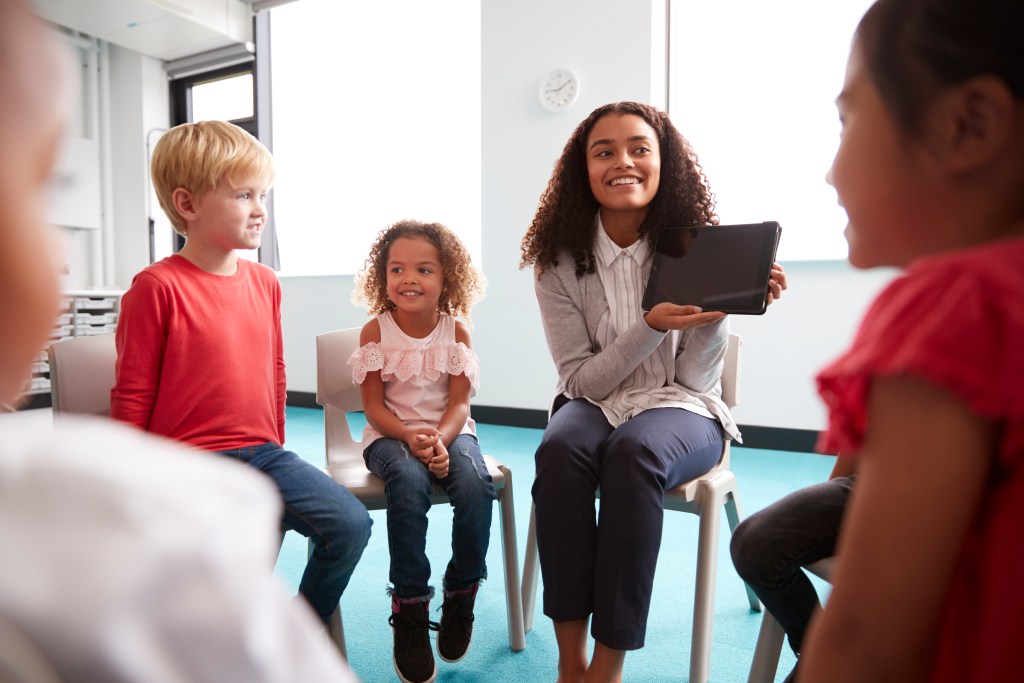
In school settings, positive behavior support is often used to promote a positive learning environment. Teachers may use PBS to prevent disruptions by establishing classroom routines, teaching social skills, and reinforcing positive behaviors. Examples of PBS in schools include reward systems, social-emotional learning, and personalized support plans that address the unique needs of each student. What is positive behavior support in schools? It’s an approach that not only reduces behavioral issues but also supports academic achievement and social development.
The Role of PBS in Occupational Therapy
In occupational therapy, positive behavior support plays a crucial role in helping individuals build independence and achieve personal goals. Therapists use PBS strategies to tailor interventions based on each individual’s strengths, needs, and motivations. For instance, a therapist may teach coping skills or introduce routines that enable the individual to manage challenging behaviors. PBS in occupational therapy is particularly effective in supporting sustainable, individualized progress.

Positive Behavior Support vs. Applied Behavior Analysis (ABA)
When exploring what is positive behavior support, it’s helpful to understand how it compares to other behavioral approaches like Applied Behavior Analysis (ABA). Both PBS and ABA share a commitment to improving individuals’ quality of life by promoting positive behavior change, but they differ in their methods and philosophies.
Key Differences Between PBS and ABA
One of the main distinctions between Positive Behavior Support (PBS) and Applied Behavior Analysis ABA lies in their core approaches. PBS focuses on creating supportive environments that prevent problematic behaviors, emphasizing collaboration and respect for the individual’s unique needs. In contrast, ABA often uses direct interventions, such as reinforcement or skill-building exercises, to modify behavior. While both approaches are evidence-based, PBS is generally broader in scope, incorporating strategies to adjust an individual’s environment to naturally encourage positive behavior.
Choosing the Right Approach for Individual Needs
Choosing between Positive Behavior Support and ABA often depends on individual needs and the context. PBS may be especially effective for those requiring a holistic, long-term strategy, such as children in educational or occupational therapy settings where collaboration and environmental adjustments are key. Meanwhile, ABA might be better suited for individuals needing targeted behavior interventions. Consulting with qualified professionals can help determine which approach aligns best with each individual’s specific goals and circumstances.

Values and Goals of Positive Behavior Support
The core values and goals of Positive Behavior Support highlight its commitment to enhancing individual well-being. By focusing on respect, collaboration, and empowerment, PBS aims to foster positive, sustainable changes that improve not only behavior but overall quality of life.
Core Values of Positive Behavior Support
Positive Behavior Support is grounded in values that emphasize dignity, autonomy, and respect. At its core, PBS prioritizes understanding and addressing the root causes of behaviors rather than simply managing symptoms. This person-centered approach allows individuals to feel respected and supported, promoting a culture of inclusion and empathy. The emphasis on individualized support also sets PBS apart, as it considers the unique motivations and strengths of each person.
Long-Term Goals and Benefits of PBS
The long-term goals of Positive Behavior Support extend beyond behavior management to foster skills that enhance independence and social well-being. By teaching positive behaviors and providing tools for self-regulation, PBS helps individuals build sustainable habits that can improve their daily lives. The benefits of PBS are particularly valuable in fields like occupational therapy and education, where long-term development and well-being are prioritized. Ultimately, PBS supports individuals in achieving personal growth and improved quality of life, making it an increasingly valued approach.

How to Create a Positive Behavior Support Plan
Creating a Positive Behavior Support (PBS) plan involves a series of proactive, thoughtful steps aimed at fostering positive behavior changes tailored to an individual’s specific needs. An effective PBS plan not only provides guidance for addressing challenging behaviors but also emphasizes teaching constructive skills that can enhance overall well-being.
Steps to Develop an Effective PBS Plan
Developing a Positive Behavior Support plan begins with a thorough assessment of the individual’s behavior, environment, and unique needs. Key steps include:
- Identifying Behavioral Triggers: Understanding situations or environments that may lead to challenging behaviors is the foundation of any PBS plan.
- Setting Positive Goals: Establish specific, positive behavior goals that support personal growth and align with the individual’s abilities.
- Designing Tailored Interventions: Based on the individual’s motivations, design interventions that encourage positive behavior while promoting respect and self-confidence.
- Ongoing Monitoring and Adjustments: A PBS plan should be flexible, allowing for changes based on the individual’s progress and feedback from caregivers or professionals.
Examples of Positive Behavior Support Plans
Effective PBS plans vary based on individual needs but often include strategies like visual aids for daily routines, positive reinforcement for achieving milestones, or personalized social skills training. For example, a PBS plan for a child in an educational setting might include structured routines, clear expectations, and regular feedback to foster confidence and independence. For adults in occupational therapy, PBS plans may focus on building work-related skills and encouraging positive social interactions that support long-term success.
The Impact of Positive Behavior Support and Next Steps
Positive Behavior Support is a powerful, compassionate approach to behavior change that can make a lasting impact on individuals of all ages. By focusing on the root causes of behavior and providing supportive, individualized interventions, PBS empowers people to develop positive skills that enrich their daily lives and relationships.
If you’re interested in learning more about how Positive Behavior Support can benefit you or your loved ones, we invite you to explore the occupational therapy services at OneWell Healthcare. Our dedicated team is here to help you create a supportive environment that promotes growth and well-being. To connect with us, visit our Contact Us page or explore career opportunities with OneWell on our career page.
Take the next step towards understanding what is positive behavior support and discover how PBS can make a difference in achieving a healthier, happier life with OneWell Healthcare.