
In the realm of healthcare, Pediatric Home Care emerges as a beacon of support, bringing comfort and specialized assistance to families navigating the unique challenges of raising children with Intellectual and Developmental Disabilities (IDD). In this blog post, we delve into the comprehensive ways in which Pediatric Home Care transforms the lives of these young individuals, offering tailored solutions that go beyond conventional medical care.
From personalized care plans and therapeutic interventions to emotional support and family education, the impact of Pediatric Home Care is profound. Join us on a journey to explore the vital role this specialized care plays in enhancing the well-being of children with IDD and empowering their families to navigate the complexities of their healthcare journey with confidence.
What is Pediatric Home Care?
Pediatric home care refers to healthcare services provided to children in the comfort of their own homes. This type of care is designed to meet the unique medical and developmental needs of children, allowing them to receive treatment, monitoring, and support in a familiar and less institutionalized environment. Pediatric home care may be necessary for children with chronic illnesses, disabilities, complex medical conditions, or those recovering from surgery or hospitalization.
Pediatric home care offers the advantage of providing medical and therapeutic interventions in a familiar and less stressful environment, promoting the overall well-being of the child and supporting the family in managing the challenges associated with a child’s health condition. The goal is to enhance the quality of life for both the child and their family while promoting optimal health and development.
In this blog, we explore 10 reasons why Pediatric Home Care is a critical resource for children with IDD and their families.
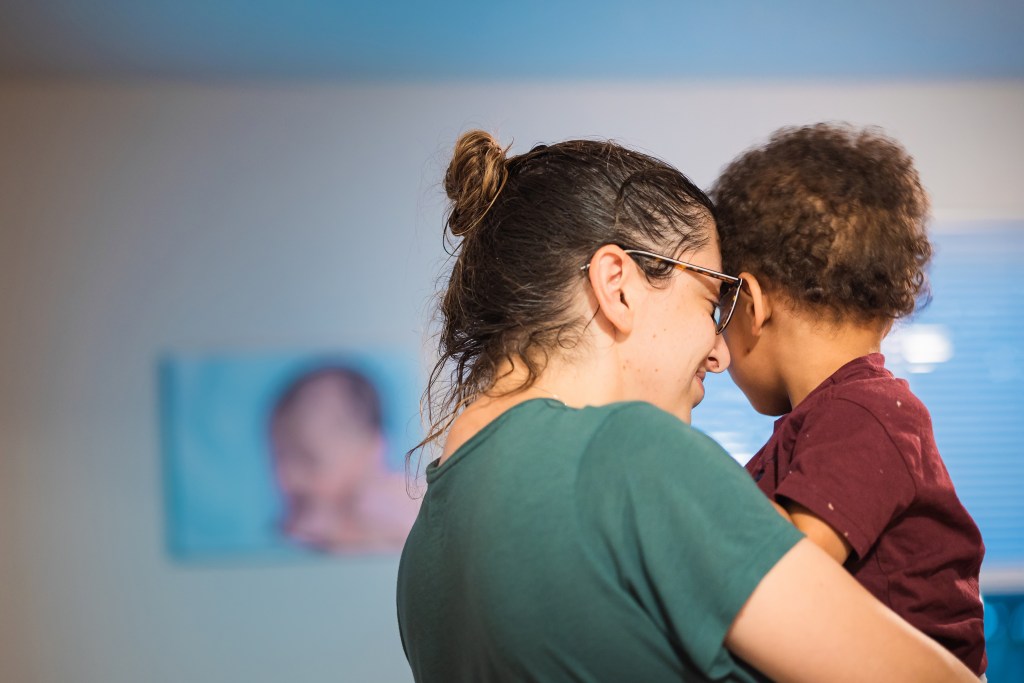
10 Reasons Why Pediatric Home Care is Crucial to Enhance the Lives of Children with IDD
Pediatric home care plays a crucial role in providing comprehensive support for children with Intellectual and Developmental Disabilities (IDD). For these children, who may have unique medical, developmental, and behavioral needs, receiving care in the comfort of their own homes offers a more personalized and less disruptive approach to their healthcare. The familiar environment of home can contribute significantly to reducing stress and anxiety often associated with medical treatments, examinations, or therapeutic interventions.
Children with IDD often require specialized care that addresses their specific challenges and promotes their overall well-being. Pediatric home care professionals, including nurses and therapists, can tailor their services to meet the individual needs of each child. This may involve creating a customized care plan that includes not only medical interventions but also therapies that support the child’s cognitive, motor, and social development.
1. Pediatric Home Care Develops Personalized Care Plans
The first compelling reason why Pediatric Home Care is crucial for children with Intellectual and Developmental Disabilities (IDD) lies in the creation of personalized care plans. Pediatric home care providers engage in collaborative efforts with families, healthcare professionals, and therapists to develop individualized care strategies that are finely tuned to meet the specific needs of each child with IDD. These comprehensive plans go beyond addressing solely medical requirements; they encompass developmental and behavioral aspects as well.
By tailoring care plans to the unique challenges and strengths of the child, Pediatric Home Care ensures that every aspect of the child’s well-being is considered and attended to. This personalized approach not only enhances the effectiveness of interventions but also fosters a more supportive and nurturing environment within the familiar surroundings of the child’s home, contributing significantly to their overall health, development, and quality of life.

2. Pediatric Home Care Provides Nutritional Support
Nutritional support constitutes a second compelling reason why Pediatric Home Care is crucial for children with Intellectual and Developmental Disabilities (IDD). Many children with IDD encounter distinctive dietary challenges, ranging from specific nutritional needs to difficulties with feeding. Pediatric home care teams, in collaboration with nutritionists, play a pivotal role in addressing these concerns by tailoring nutritional interventions to the individual requirements of each child. They assess and implement specialized feeding techniques when necessary, ensuring that the child receives optimal nutrition despite potential challenges. This may involve adapting textures, flavors, or formats to accommodate the child’s preferences and sensory sensitivities.
Pediatric home care providers work closely with families to establish and maintain feeding routines, offering guidance on nutritional supplements when required. By focusing on nutritional support within the familiar home environment, pediatric home care enhances the child’s overall health, growth, and development while alleviating the stress associated with dietary challenges commonly faced by children with IDD. This personalized and family-centered approach fosters a comprehensive and compassionate model of care that recognizes and addresses the unique needs of each child.
3. Pediatric Home Care Offers Behavioral Support
One of the paramount reasons why Pediatric Home Care is indispensable for children with Intellectual and Developmental Disabilities (IDD) is the specialized behavioral support it offers. Children with IDD may present challenging behaviors that can significantly impact their daily lives and the lives of their families. Pediatric home care providers play a crucial role in addressing these challenges by leveraging their training and expertise in behavioral interventions. Working collaboratively with the child and their family, these providers develop and implement tailored behavioral strategies. By doing so, they aim to foster positive behavior, enhance the child’s adaptive skills, and mitigate the impact of challenging behaviors on the child’s overall quality of life.
The advantage of implementing these strategies within the familiar home environment is that it allows for a more personalized and targeted approach, recognizing the unique triggers and responses specific to the child. This not only supports the child’s emotional well-being but also equips the family with valuable tools and resources to navigate and manage behavioral challenges effectively on an ongoing basis. Through behavioral support in the home, Pediatric Home Care contributes significantly to creating a nurturing and inclusive environment that promotes the holistic development of children with IDD.

4. Pediatric Home Care Offers Respite Care
Respite care stands as a pivotal and often overlooked aspect of the importance of Pediatric Home Care for children with Intellectual and Developmental Disabilities (IDD). Families caring for children with IDD face unique challenges that can be physically and emotionally demanding. The provision of respite services within the framework of Pediatric Home Care becomes a crucial lifeline for parents and caregivers. This temporary relief allows parents to step away briefly, recharge, and attend to their own well-being, preventing burnout and sustaining their ability to provide ongoing care.
The respite care component within Pediatric Home Care acknowledges the intense demands placed on families and offers a supportive structure that not only attends to the child’s needs but also recognizes the importance of the caregivers’ mental and emotional health. By providing this essential break, Pediatric Home Care not only enhances the overall quality of care for the child with IDD but also fosters a more sustainable and resilient family support system.
5. Pediatric Home Care Provides Emotional & Social Support
The emotional and social support offered by pediatric home care providers represents a fundamental aspect of care for children with Intellectual and Developmental Disabilities (IDD). Beyond addressing the physical and medical aspects of their conditions, these professionals play a pivotal role in nurturing the emotional and social well-being of the child. Through purposeful engagement and activities tailored to the child’s unique needs, pediatric home care providers create opportunities for socialization, promoting meaningful connections and relationships.
This approach is especially crucial for children with IDD, as it contributes to their overall development by fostering positive emotional experiences and enhancing their ability to connect with others. By recognizing the importance of emotional and social support, pediatric home care becomes not only a medical intervention but a holistic and compassionate approach that acknowledges the interconnected nature of a child’s physical, emotional, and social health. The nurturing environment provided by home care contributes to a sense of security, acceptance, and belonging, fostering a foundation for the child’s emotional resilience and social development.
6. Pediatric Home Care Promotes Social and Emotional Well-Being
Socialization is an essential aspect of a child’s development, particularly for children with IDD who may face unique challenges in forming connections with others. Pediatric Home Care providers help facilitate opportunities for social engagement and emotional growth. These professionals design activities and routines that encourage interaction with peers, siblings, and caregivers. Such activities may include structured play sessions, group therapy exercises, and interactive learning programs that focus on teamwork and communication.
Moreover, home care specialists often work closely with families to foster a supportive home environment that nurtures the child’s emotional well-being. This includes teaching caregivers how to recognize emotional cues, manage stressors, and reinforce positive behaviors. By building a strong emotional foundation, children with IDD are better equipped to navigate challenges, build resilience, and form meaningful relationships that improve their quality of life.
7. Pediatric Home Care Reduces Hospital Visits
Children with IDD often have complex medical needs that require regular monitoring. Without proactive care, these children may face frequent hospital visits due to preventable health issues. Pediatric Home Care focuses on providing consistent, high-quality medical attention at home, minimizing the need for emergency interventions or hospital stays.
Home care teams monitor vital signs, administer medications, and address potential health concerns before they escalate. For example, respiratory issues, feeding difficulties, or infections are managed with timely interventions that prevent complications. Additionally, home-based therapies and routine care reduce exposure to hospital environments, where children might be at higher risk of infections or stress.
By reducing hospital visits, Pediatric Home Care not only lowers healthcare costs for families but also ensures that children can continue their care in a familiar and less intimidating environment, contributing to their overall comfort and stability.
8. Pediatric Home Care Integrates Assistive Technology
Technology plays a transformative role in enhancing the independence and functionality of children with IDD. Pediatric Home Care providers are adept at integrating assistive technologies tailored to the specific needs of each child. These technologies include communication devices like augmentative and alternative communication (AAC) systems, sensory tools for managing overstimulation, and mobility aids such as wheelchairs or walkers.
Beyond providing the devices, home care teams train both the child and their caregivers on proper usage. For example, a speech therapist might introduce a child to a communication tablet and guide the family on how to incorporate it into daily routines for better interaction. Similarly, occupational therapists can help adapt mobility aids to fit the child’s physical capabilities, ensuring both safety and usability.
This seamless integration not only enhances the child’s quality of life but also empowers them to participate in activities that were previously challenging, fostering independence and self-confidence.
9. Pediatric Home Care Empowers Families Through Education
One of the cornerstones of Pediatric Home Care is empowering families to take an active role in their child’s care. Home care professionals invest time in educating parents and caregivers on various aspects of care, including medical procedures, therapeutic techniques, and behavior management strategies. This hands-on guidance ensures that families feel confident and equipped to handle challenges as they arise.
For example, a home nurse might teach parents how to manage feeding tubes, administer medications, or perform basic physical therapy exercises. Behavioral specialists can help families develop routines and strategies to manage sensory sensitivities or meltdowns. By providing practical training and emotional support, Pediatric Home Care professionals create a partnership with families that enhances the overall effectiveness of the care plan.
This education not only improves the child’s outcomes but also reduces the stress and uncertainty often associated with caregiving, empowering families to provide long-term support with confidence and compassion.
10. Pediatric Home Care Supports Transition to Adulthood
As children with IDD grow older, their needs and care requirements evolve. Pediatric Home Care offers critical support during this transitional phase, preparing both the child and their family for the challenges of adulthood. This includes assistance with developing independent living skills, such as personal hygiene, meal preparation, and time management, which are crucial for fostering autonomy.
Home care providers also help families navigate the complex process of transitioning to adult care services. This involves connecting them with resources for vocational training, social programs, and adult healthcare providers. Additionally, professionals may guide families in accessing financial support, such as disability benefits or community grants, to ensure a seamless transition.
By addressing these aspects, Pediatric Home Care lays the foundation for a successful and fulfilling transition, helping young adults with IDD achieve greater independence and integration into their communities.

How to Choose the Right Pediatric Home Care Provider
Selecting the right Pediatric Home Care provider is one of the most important decisions for families of children with IDD. A well-chosen provider can make a profound difference in the child’s quality of life and overall development. Below are detailed considerations to guide this process:
1. Evaluate Qualifications and Experience
It’s crucial to choose a provider with specialized expertise in pediatric care, particularly for children with IDD. Look for providers who employ licensed medical professionals, certified therapists, and experienced caregivers. Ask about their track record in managing conditions similar to your child’s and request references or case studies to verify their experience.
2. Assess Available Services
A comprehensive range of services is essential to meet your child’s diverse needs. These should include medical care, therapeutic interventions, behavioral support, and educational resources. Some providers may also offer respite care or specialized programs for transitioning to adulthood. Ensure the services align with your child’s current and future requirements.
3. Prioritize Communication and Collaboration
Open communication between families and providers is key to effective care. Choose a provider that actively involves you in care planning, regularly updates you on progress, and listens to your concerns. A collaborative approach fosters trust and ensures that the care plan reflects your family’s values and priorities.
4. Check References and Reviews
Speak to other families who have worked with the provider and read online reviews to gain insight into their reliability and quality of care. Look for testimonials that highlight the provider’s strengths, such as responsiveness, professionalism, and compassion.
5. Consider Flexibility and Accessibility
Flexibility in scheduling and adaptability to your child’s changing needs are critical. Additionally, ensure that the provider is geographically accessible and has resources to respond to emergencies. Providers with 24/7 on-call support can offer added peace of mind.
By considering these factors, you can select a Pediatric Home Care provider who will not only meet your child’s needs but also become a trusted partner in their care journey.
Conclusion: 10 Reasons Why Pediatric Home Care is Important for Children with IDD
In conclusion, Pediatric Home Care emerges as a transformative beacon of support for families navigating the unique challenges of raising children with Intellectual and Developmental Disabilities (IDD). This comprehensive care model, encompassing personalized care plans, nutritional support, behavioral interventions, respite care, and emotional and social support, plays a crucial role in enhancing the lives of these young individuals and empowering their families.
By providing specialized assistance in the familiar and nurturing environment of home, Pediatric Home Care goes beyond conventional medical care, fostering holistic development and contributing to the overall well-being of children with IDD.
Discover Exceptional Pediatric Home Care with OneWell Healthcare
If you’re seeking high-quality Pediatric Home Care services tailored to meet your child’s unique needs, OneWell Healthcare is here to help. Our experienced team specializes in providing compassionate care, empowering families, and promoting the overall well-being of children with IDD. To learn more about our pediatric services, or connect with us directly through our Contact Us page. If you’re passionate about making a difference and joining our mission, visit our Careers page to explore exciting opportunities. Let OneWell Healthcare partner with you to ensure your child thrives in a nurturing and supportive environment.