
Introduction
Care plans are often seen as structured documents—lists of services, schedules, and clinical notes. But behind every care plan is something far more important: a person with unique needs, preferences, goals, and experiences.
In the field of intellectual and developmental disabilities (IDD), this distinction is critical. Support cannot be standardized in a meaningful way because no two individuals are the same. Individualized support recognizes this reality. It shifts the focus from “what services are provided” to “who the person is.”
This approach is not just best practice—it’s essential for creating real, sustainable impact, especially in services like in-home and community-based support offered by OneWell Health Care. Organizations like the Centers for Medicare & Medicaid Services emphasize person-centered planning as a core requirement in home and community-based services.
What Is Individualized Support?
Individualized support refers to a person-centered approach where services are tailored to meet the specific needs, strengths, and goals of each individual. Instead of fitting someone into a predefined system, the system adapts to them.
According to the National Institute on Disability, Independent Living, and Rehabilitation Research, individualized supports are essential in promoting independence and community inclusion.
This means:
- Support plans are built around personal goals, not just clinical requirements
- Daily routines reflect the individual’s preferences and lifestyle
- Care evolves as the person’s needs and circumstances change
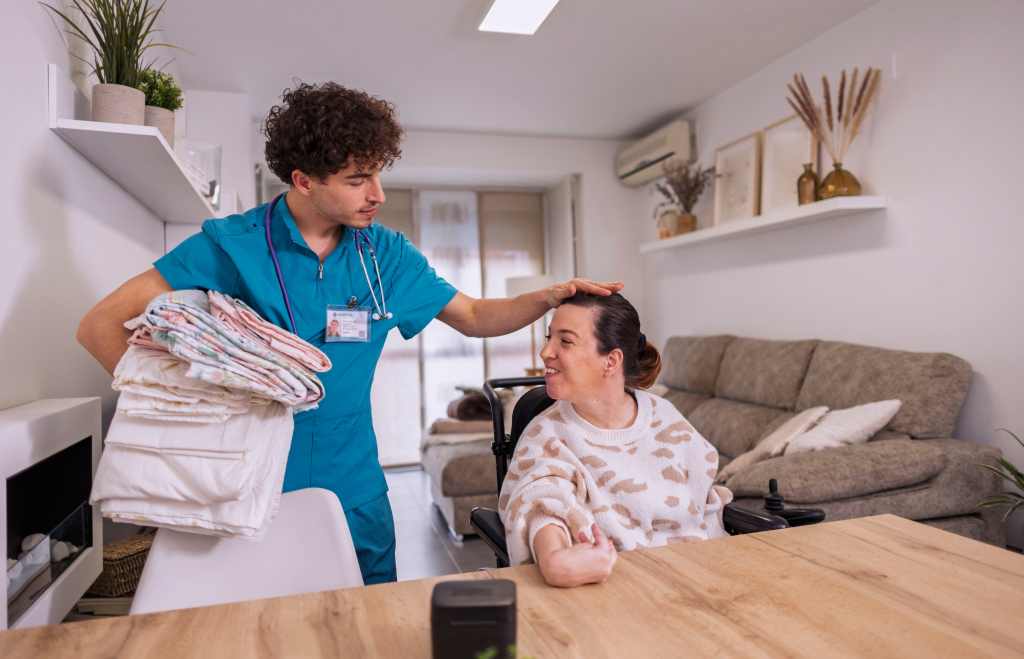
Individualized Support in Connecticut: What Makes It Different?
In Connecticut, individualized support is closely aligned with state-led initiatives that prioritize independence, community integration, and long-term quality of life.
The Connecticut Department of Developmental Services plays a central role in shaping how services are delivered. Through DDS programs, individuals with IDD receive support that is designed around their personal goals—similar to how individualized support services in Connecticut are structured to meet each person’s needs.
Connecticut’s model emphasizes:
- Person-centered planning as a requirement, not an option
- Home and community-based services (HCBS) over institutional care
- Long-term support that evolves with the individual
This structure aligns with federal guidance from the Centers for Medicare & Medicaid Services, ensuring that services remain both compliant and person-focused.
Why Standardized Care Falls Short
Traditional care models often rely on uniform systems. While efficient, they rarely reflect the complexity of individual lives.
For individuals with IDD, this can lead to:
- Reduced engagement
- Limited independence
- Behavioral challenges due to unmet needs
- A disconnect between services and real-world outcomes
Research from the World Health Organization shows that person-centered approaches significantly improve participation and quality of life outcomes.
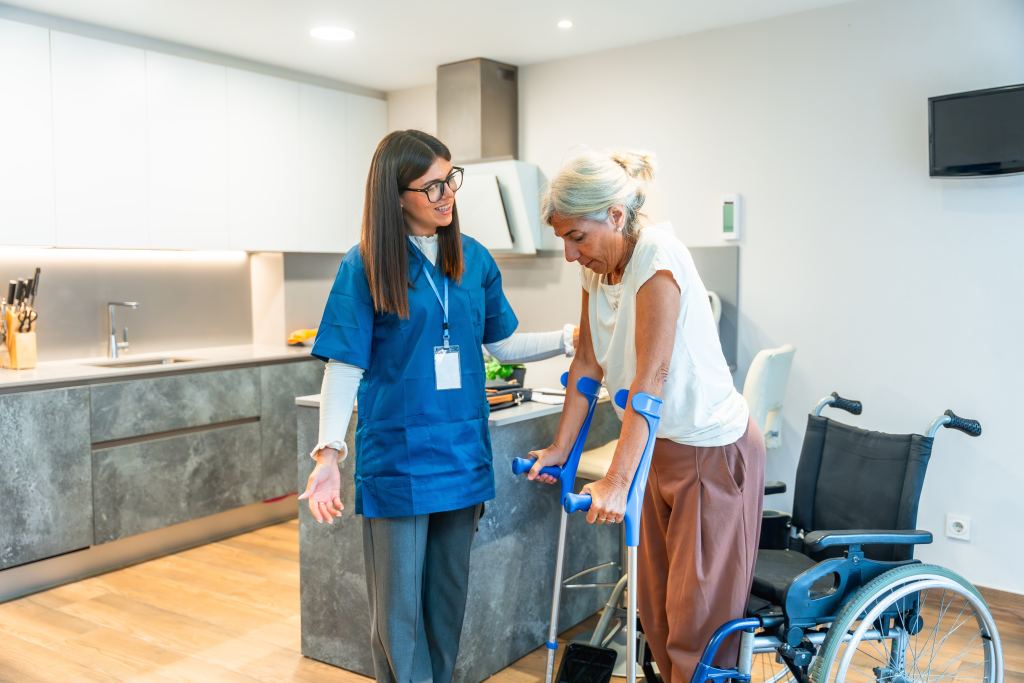
The Core Principles of Person-Centered Care
1. Respect for Individual Identity
Every individual brings their own background, preferences, and lived experiences into their care journey. Effective support reflects that.
Guidance from the National Institutes of Health highlights the importance of culturally responsive and individualized care.
2. Choice and Autonomy
Choice is central to dignity. From daily routines to long-term decisions, individuals should have a voice in their own care.
The United Nations Convention on the Rights of Persons with Disabilities reinforces this as a global standard.
3. Strength-Based Approach
Individualized support focuses on what a person can do, not just what they need help with. This builds confidence and long-term independence.
4. Flexibility and Adaptability
Needs change—and support must change with them. A care plan should evolve, not stay static.
How Individualized Support Improves Outcomes
Increased Independence
When services align with personal goals, individuals develop real-life skills that support independence.
The Administration for Community Living confirms that community-based, individualized services lead to stronger long-term outcomes.
Better Emotional Well-Being
Feeling understood reduces stress and increases confidence.
Stronger Engagement
Interest-based activities lead to higher participation and better development.
Improved Relationships
Person-centered care builds trust between individuals, caregivers, and families.

The Role of Caregivers and Support Professionals
Caregivers and Direct Support Professionals (DSPs) are essential in delivering individualized support.
The American Association on Intellectual and Developmental Disabilities emphasizes that trained, adaptable staff are key to successful person-centered care.
Observation and Listening
Understanding preferences requires active listening and attention to detail.
Flexibility in Practice
Care must adjust in real time—not just on paper.
Collaboration
Working with families, case managers, and clinicians ensures a holistic approach.
Building an Effective Individualized Care Plan
Step 1: Comprehensive Assessment
Whole-person evaluations are supported by frameworks from the Centers for Disease Control and Prevention.
Step 2: Goal Setting
Goals should reflect the individual’s aspirations—not just system requirements.
Step 3: Customized Strategies
Support should match how the individual learns and engages best.
Step 4: Ongoing Evaluation
Regular updates ensure continued relevance and effectiveness.
Real-Life Application: What This Looks Like in Connecticut
In Connecticut, individualized support often takes a highly practical, community-based form.
For example:
- Learning independent living skills at home
- Participating in local community programs
- Receiving job coaching for supported employment
- Building daily routines that reflect personal preferences
These approaches align with DDS priorities and ensure that support is integrated into real life—not separated from it.

Challenges in Delivering Individualized Support
- Limited resources can impact personalization
- Communication barriers require adaptive strategies
- System requirements may reduce flexibility
Despite this, Connecticut continues to prioritize individualized, community-based care models.
The Future of Individualized Support
The future of care is personal.
With support from organizations like HealthIT.gov, technology is making it easier to track outcomes, adapt services, and personalize care in real time.
Connecticut is part of this shift—moving toward systems that are not just compliant, but genuinely responsive to individual lives.
Conclusion
Behind every care plan is a person—with goals, preferences, and potential.
Individualized support ensures that care is not just delivered, but experienced in a meaningful way.
In Connecticut and beyond, the shift toward person-centered care is redefining what quality support looks like.
Because care should never be one-size-fits-all.
It should be built around the person.