
Occupational therapy (OT) is a vital intervention for individuals with various developmental disorders, including autism. This therapy focuses on enhancing an individual’s ability to participate in everyday activities and improve their quality of life. As the prevalence of autism spectrum disorder (ASD) continues to rise, understanding the role of occupational therapy in supporting those affected becomes increasingly important. In this blog post, we will explore the connection between occupational therapy and autism, examining how OT can address the unique challenges faced by individuals on the autism spectrum. Our goal is to provide informative insights that not only raise awareness about occupational therapy services but also drive traffic to OneWell Healthcare, where we offer specialized OT services for individuals with autism.
What is Occupational Therapy?
Occupational therapy (OT) is a client-centered health profession that focuses on promoting health and well-being through meaningful activities and daily routines. By utilizing various therapeutic techniques and approaches, occupational therapists work collaboratively with individuals to enhance their ability to participate in everyday tasks. This is particularly important for individuals with autism, as OT helps them develop essential life skills, improve social interactions, and foster independence. Understanding the historical context of occupational therapy provides valuable insights into its evolution and significance in addressing the unique challenges faced by individuals with autism.
The Historical Background of Occupational Therapy
Occupational therapy has evolved significantly since its inception in the early 20th century. Originally developed as a means to assist soldiers returning from World War I, OT focused on helping individuals regain their functional abilities and reintegrate into society. Over the years, the scope of occupational therapy expanded to encompass a variety of populations, including those with developmental disorders like autism. Today, occupational therapy is recognized as an essential component of a comprehensive treatment plan for individuals with autism, providing tailored interventions that address their specific needs and challenges.
Key Techniques Used in Occupational Therapy
Occupational therapists employ a variety of techniques to support individuals with autism, ensuring that interventions are personalized and effective. Some key techniques include:
- Sensory Integration Therapy: This approach helps individuals process and respond to sensory information more effectively, which can be particularly beneficial for those with sensory processing difficulties commonly associated with autism.
- Social Skills Training: Occupational therapists work with individuals to develop essential social skills, such as communication, sharing, and understanding social cues, which are often challenging for those on the autism spectrum.
- Activity-Based Interventions: These interventions focus on meaningful activities that are relevant to the individual’s daily life, promoting engagement and skill development in real-world settings.
By utilizing these techniques, occupational therapy aims to empower individuals with autism to achieve greater independence and enhance their overall well-being.

Understanding Autism and Its Challenges
Autism is a complex condition that affects individuals in various ways, leading to a broad spectrum of experiences and challenges. Recognizing these challenges is essential for effectively supporting individuals with autism through tailored interventions. This section delves into the fundamental aspects of autism, helping to illuminate the unique experiences faced by those on the spectrum. By gaining a deeper understanding of Autism Spectrum Disorder (ASD), caregivers, therapists, and educators can work together to create strategies that empower individuals to thrive.
What is Autism Spectrum Disorder?
Autism Spectrum Disorder (ASD) is a complex neurodevelopmental condition characterized by challenges in social interaction, communication, and repetitive behaviors. The term “spectrum” reflects the wide range of symptoms and abilities that individuals with autism may exhibit. Some may experience significant difficulties in daily functioning, while others may demonstrate high levels of independence and unique strengths. Understanding the diverse nature of autism is crucial for developing effective occupational therapy interventions tailored to each individual’s needs.
Daily Challenges Faced by Individuals with Autism
Individuals with autism often encounter various challenges in their daily lives that can impact their overall quality of life. These challenges may include:
- Social Interaction Difficulties: Many individuals with autism struggle to interpret social cues and engage in reciprocal conversations, making it challenging to form friendships and maintain relationships.
- Communication Barriers: Verbal and non-verbal communication can be difficult for those on the autism spectrum, leading to misunderstandings and frustration in social situations.
- Sensory Sensitivities: Individuals with autism may have heightened sensitivities to sensory stimuli, such as loud noises, bright lights, or certain textures, which can lead to sensory overload and anxiety.
By recognizing these daily challenges, occupational therapy can play a pivotal role in equipping individuals with autism with the skills and strategies needed to navigate their environments more effectively.

How Does Occupational Therapy Help with Autism?
Occupational therapy and autism intersect to provide essential support for individuals with autism, especially in enhancing their ability to perform daily tasks. By focusing on practical skills and routines, occupational therapy empowers individuals with autism to develop greater independence. Therapists create structured and engaging interventions tailored to each person’s needs, addressing challenges unique to autism and promoting self-sufficiency. This section delves into how occupational therapy improves daily living skills, ensuring that individuals with autism can navigate life with more confidence and autonomy.
Improving Daily Living Skills for Individuals with Autism
Occupational therapy and autism come together to foster growth in daily living skills, vital for individuals with autism to lead more independent lives. By addressing everyday tasks like dressing, grooming, meal preparation, and personal hygiene, occupational therapy helps individuals with autism develop essential life skills. Therapists use tailored interventions that tackle specific challenges often faced by those with autism, encouraging confidence and competence in these activities. Techniques like visual schedules or task analysis simplify complex tasks, making daily routines more accessible and empowering for individuals with autism.
Enhancing Social Skills and Interaction through Occupational Therapy
Social skills development is another key area where occupational therapy and autism intersect, as many individuals with autism benefit significantly from structured social skills training. Occupational therapists use targeted interventions to boost communication abilities and foster meaningful connections. Through role-playing, practicing conversations, and participating in group activities, individuals with autism learn to engage more effectively in social situations. These interventions, integral to occupational therapy, help individuals better understand social cues, form friendships, and improve overall quality of life.
Addressing Behavioral Challenges with Occupational Therapy Interventions
Behavioral challenges often impact individuals with autism, and occupational therapy provides targeted strategies to help manage these difficulties. Occupational therapy and autism-focused interventions promote positive behavior, emotional regulation, and better coping skills. Therapists may use behavioral modification strategies, sensory integration therapy, or calming techniques to address issues like anxiety, sensory overload, and frustration. By empowering individuals with autism to overcome behavioral challenges, occupational therapy contributes to improved daily functioning and enhances well-being.
Through these approaches, occupational therapy and autism-focused techniques work together to open doors for independence, social connection, and greater quality of life for individuals with autism.

Comparing Occupational Therapy and Other Therapies for Autism
In the realm of autism treatment, caregivers and professionals often face the challenge of selecting the most effective therapeutic approach for individuals with autism. This section provides a comparative analysis of two widely recognized therapies: Applied Behavior Analysis (ABA) and occupational therapy for autism, focusing on how each approach supports the unique needs of those with autism. By examining the distinct methodologies and intended outcomes of ABA and occupational therapy and autism-related practices, we aim to shed light on how these therapies can address the diverse needs of individuals on the spectrum. Understanding these differences in occupational therapy and autism treatments is crucial for making informed decisions that can significantly impact the lives of those with autism.
ABA vs. OT: Which Therapy is Better for Autism?
When considering the best therapeutic approaches for individuals with autism, occupational therapy and autism-focused ABA are two common options. Both therapies aim to enhance the quality of life for those with autism, but they do so through unique techniques and philosophies. While ABA emphasizes behavior modification through reinforcement strategies, occupational therapy for autism focuses on improving daily living skills, enhancing social interactions, and supporting emotional regulation. Understanding the strengths and limitations of each approach can help caregivers and professionals choose the most suitable therapy for the individual needs of those with autism.
What is ABA and How Does it Compare to Occupational Therapy?
Applied Behavior Analysis (ABA) is a well-established therapeutic approach that uses principles of behaviorism to create meaningful changes in behavior for individuals with autism. ABA techniques are often used to teach new skills, reduce challenging behaviors, and promote socially acceptable behaviors. However, while ABA can be effective in addressing specific behavioral issues, it may not fully address the broader developmental needs that occupational therapy for autism targets, such as developing daily living skills and enhancing overall quality of life. Understanding the distinctions between ABA and occupational therapy is essential for caregivers seeking the best possible support for individuals with autism.
Additional Therapies for Autism Beyond Occupational Therapy
In addition to occupational therapy and autism-focused ABA, other therapeutic options can complement the treatment plan for individuals with autism. These may include speech therapy, which focuses on communication skills, and physical therapy, which addresses motor skills and coordination. Integrating various therapeutic modalities with occupational therapy for autism ensures comprehensive support tailored to the unique needs and challenges of those with autism. Each therapy provides distinct benefits and, when used alongside occupational therapy, can contribute to a well-rounded and effective approach to treatment.
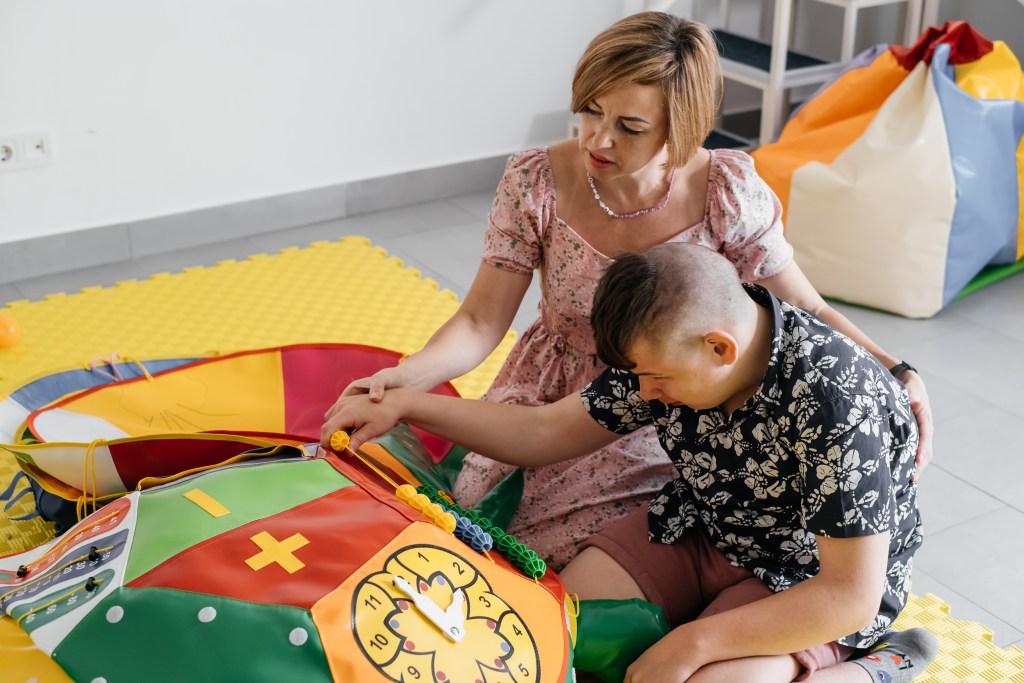
The Role of Assessment in Occupational Therapy
Assessment plays a vital role in shaping effective occupational therapy for autism interventions, providing the foundation upon which personalized treatment plans are built to meet each individual’s unique needs. In this section, we explore the various assessment methods used by occupational therapists working with autism, highlighting their importance in identifying specific strengths and challenges. Through thorough evaluations, therapists can tailor their approaches, ultimately enhancing the effectiveness of occupational therapy and autism interventions.
How Occupational Therapy Assessed for Autism
Assessment is a critical component of occupational therapy for individuals with autism. Occupational therapists use a variety of evaluation tools and techniques to assess an individual’s strengths, challenges, and needs. This comprehensive assessment process often includes standardized tests, observational assessments, and interviews with family members and caregivers. By understanding the unique profile of each individual with autism, therapists can develop targeted interventions that address specific developmental goals and improve overall functioning.
Individualized Treatment Plans in Occupational Therapy for Autism
Occupational therapy and autism assessments are critical in designing effective, individualized interventions. Occupational therapists use a range of evaluation tools, including standardized tests, observational assessments, and interviews with family members and caregivers, to build a comprehensive understanding of each individual. These assessments form the basis for occupational therapy for autism, enabling therapists to create highly personalized treatment plans that address specific developmental goals, promote functional skills, and improve overall quality of life. Regular updates to these plans ensure that occupational therapy for autism continues to align with the individual’s progress and evolving needs.

OneWell’s Commitment to Supporting Individuals with Autism through Occupational Therapy
In conclusion, occupational therapy is vital in supporting individuals with autism, enabling them to tackle daily challenges and enhance their overall quality of life. Through customized interventions, occupational therapists address various developmental needs, empowering individuals to gain greater independence and improve social interactions.
At OneWell, we are committed to making a positive impact in the lives of those we serve, including our comprehensive autism services as part of our IDD care offerings. Our experienced team of occupational therapists specializes in providing personalized care tailored to the unique needs of individuals with autism. We believe that every person deserves the opportunity to thrive, and we are dedicated to creating individualized treatment plans that address specific challenges and goals.
If you or a loved one is seeking support in occupational therapy, we encourage you to explore our services of Occupational Therapy. Additionally, our Autism Services provide targeted support to help individuals navigate their unique challenges.
For more insights into how occupational therapy can benefit individuals with autism, check out our previous blog post on the Differences Between Occupational Therapy and Physical Therapy.
If you are interested in joining our team and making a difference in the lives of individuals with autism, please visit our Careers page. At OneWell, we believe that together, we can create a brighter future for individuals with autism and their families.