
Providing care for disabled individuals encompasses a diverse array of services and support systems tailored to meet the unique needs of each person. Whether addressing physical, intellectual, or developmental disabilities, home care plays a vital role in ensuring that individuals can live as independently and comfortably as possible within their own homes.
This comprehensive guide explores various facets of home care for disabled individuals, including specialized services for those with intellectual disabilities, disabled adults, children, veterans, and individuals with autism. By understanding and implementing these tailored care approaches, caregivers can significantly enhance the quality of life and well-being of those they support.
What is Home Care for Disabled Individuals
Home care for disabled individuals refers to a range of services and support provided to people with disabilities in their own homes, rather than in institutional settings such as hospitals or care facilities. This type of care is designed to help individuals maintain their independence, improve their quality of life, and manage their daily activities and health needs within the comfort of their own home. Here are some key components of home care for disabled individuals:
- Personal Care: Assistance with activities of daily living (ADLs) such as bathing, dressing, grooming, toileting, and feeding.
- Medical Care: Skilled nursing care, medication management, wound care, physical therapy, occupational therapy, and other medical services provided by licensed healthcare professionals.
- Household Assistance: Help with household tasks such as cleaning, cooking, laundry, and grocery shopping to ensure a safe and comfortable living environment.
- Mobility Assistance: Support with moving around the house, using mobility aids (e.g., wheelchairs, walkers), and transportation to medical appointments or social activities.
- Companionship: Providing social interaction and emotional support to reduce feelings of loneliness and isolation.
- Respite Care: Temporary relief for primary caregivers, allowing them to take a break while ensuring the disabled individual continues to receive necessary care.
- Coordination of Services: Helping to organize and coordinate various services and care providers to create a comprehensive care plan tailored to the individual’s needs.
- Adaptive Equipment and Home Modifications Services: Assisting with the selection and use of adaptive devices and making modifications to the home to improve accessibility and safety.
The goal of home care for disabled individuals is to enable them to live as independently and comfortably as possible while receiving the necessary support to manage their health and daily activities.

Intellectual Disability Home Care Services
Intellectual Disability Home Care Services are specialized support programs designed to cater to individuals with intellectual disabilities, ensuring they receive comprehensive, personalized care within the comfort of their own homes. These services focus on promoting independence, enhancing quality of life, and providing assistance with daily activities.
Trained caregivers offer a range of supports, from personal care and medication management to skill-building activities and social engagement. By tailoring care plans to meet the unique needs of each individual, Intellectual Disability Home Care Services play a crucial role in fostering a supportive and nurturing environment that encourages growth and development.
Home Care for Disabled Adults
Home Care for Disabled Adults plays a crucial role in enhancing the quality of life for individuals with disabilities by providing tailored support in the comfort of their own homes. This type of care encompasses a wide range of services, including personal care, medical assistance, household help, and emotional support.
By receiving Home Care for Disabled Adults, individuals can maintain their independence and dignity while managing their daily activities and health needs. Skilled caregivers offer personalized attention and ensure a safe living environment, which is essential for the well-being of disabled adults. Moreover, this approach often includes the use of adaptive equipment and home modifications to improve accessibility, thereby fostering a more inclusive and supportive living situation.
Home Care for Disabled Child
Home care for a disabled child involves providing specialized support and services to ensure the child’s well-being and development within the comfort of their own home. This type of care includes assistance with daily activities such as bathing, dressing, feeding, and mobility, tailored to meet the unique needs of the child. Skilled healthcare professionals offer medical care, including medication management and physical therapy, to address specific health conditions.
Home care for a disabled child often involves educational support, therapy sessions, and social interaction to promote cognitive and emotional development. The primary goal is to create a nurturing and safe environment that fosters independence, enhances quality of life, and supports the child’s overall growth and development.
Home Care for Disabled Veterans
Home care for disabled veterans is a vital service that provides essential support and assistance to those who have served their country and now face physical or mental challenges. This specialized care aims to help veterans maintain their independence and improve their quality of life within the familiar surroundings of their own homes. Services include personal care, such as bathing and dressing, medical care like wound management and medication administration, and household assistance with tasks like cleaning and meal preparation.
Home care for disabled veterans often involves mobility assistance, companionship, and coordination of various services to ensure a comprehensive and tailored care plan. By offering these dedicated services, home care for disabled veterans honors their sacrifices and supports their well-being and dignity.
Home Care for Autistic
Home care for autistic individuals is a specialized service designed to support the unique needs of those on the autism spectrum within the comfort of their own homes. This type of care involves tailored interventions that address communication, social, and behavioral challenges commonly associated with autism. Caregivers provide a structured and predictable environment, incorporating routines and activities that promote learning, skill development, and emotional well-being.
In addition to personal care and household assistance, home care for autistic individuals often includes therapy services such as applied behavior analysis (ABA), speech therapy, and occupational therapy. By offering personalized and consistent support, home care for autistic individuals helps to enhance their quality of life, foster independence, and ensure they reach their full potential in a familiar and supportive setting.
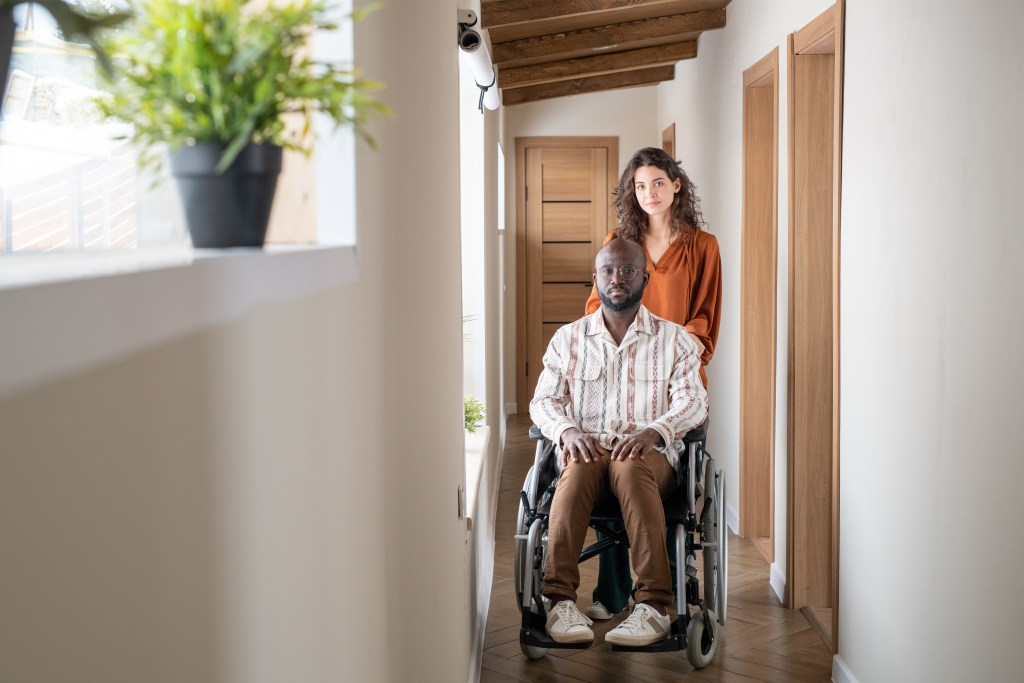
Conclusion: Home Care for Disabled Individuals
Home care services for disabled individuals play an essential role in supporting diverse populations with varying needs, from adults and children to veterans and individuals with intellectual disabilities or autism. By providing tailored assistance and specialized care within the familiar environment of their own homes, these services promote independence, enhance quality of life, and address the unique challenges each individual faces.
Whether it’s through personal care, medical support, household assistance, or therapeutic interventions, home care services ensure that disabled individuals receive comprehensive and compassionate care that fosters growth, dignity, and well-being. Through these dedicated efforts, home care services make a significant difference in the lives of disabled individuals and their families, creating a nurturing and inclusive environment where everyone can thrive.