
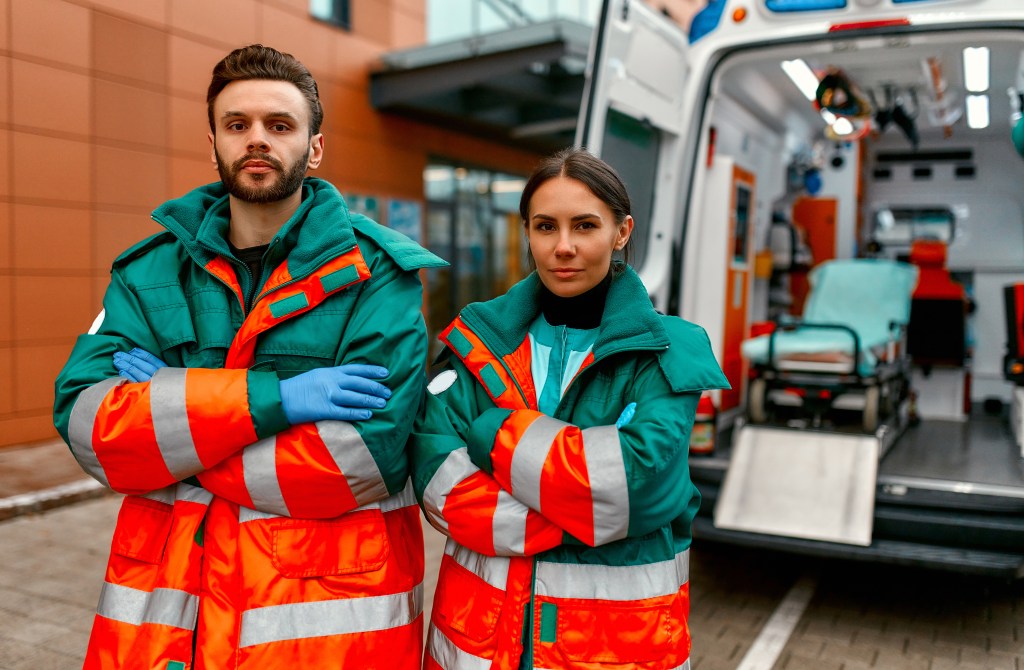
In an ever-changing world, disasters can strike unexpectedly and change lives in unimaginable ways. Whether it’s a natural calamity like hurricanes, earthquakes, or wildfires, or human-made crises such as pandemics or conflicts, nurses step up during these moments, bringing their expertise and compassion to the forefront of disaster response.
Among the most vulnerable populations during such crises are individuals with Intellectual and Developmental Disabilities (IDD). They might struggle with sudden changes, communication barriers, or accessing necessary support systems during a crisis. Nurses, with their deep empathy and problem-solving abilities, are uniquely positioned to bridge these gaps and ensure individuals with IDD are not left behind.
In this blog post, we explore nurses’ critical role in IDD disaster preparedness planning ,especially when it comes to supporting individuals with IDD, who often face unique challenges during emergencies.
What is Disaster Nursing?
Disaster nursing isn’t just about treating injuries. It’s about preparation, adaptability, and understanding the broader needs of those affected. When caring for individuals with IDD, disaster nursing becomes even more focused on personalized care. It’s about seeing beyond the immediate crisis to address specific fears, routines, and requirements that can make or break a person’s ability to cope.
Disaster nurses must be equipped not only with clinical skills but also with the ability to manage stress, provide clear communication, and work collaboratively with caregivers and emergency response teams. Their role extends beyond medical treatment to emotional and logistical support, ensuring that those with IDD receive the specialized care they need in a chaotic environment.
Why Individuals with IDD Need Extra Support During Disasters
Before exploring how nurses can help, it’s important to understand the unique challenges faced by individuals with IDD during emergencies:
- Communication Barriers: Many individuals with IDD find it difficult to express their needs or comprehend instructions during stressful events. Standard emergency protocols may not be effective without adaptations tailored to their communication styles.
- Disruption Sensitivity: Changes in routines or environments can be unsettling, leading to increased anxiety or distress. Sudden evacuations, unfamiliar surroundings, and loud noises can exacerbate behavioral challenges.
- Dependency on Care: Many individuals rely on caregivers, medications, or specialized equipment. If these resources become inaccessible during an emergency, their health and well-being may be at risk.
- Limited Mobility or Sensory Issues: Some individuals with IDD may also have physical disabilities or sensory sensitivities that make navigating disaster situations particularly difficult.
These challenges make it essential for nurses to approach disaster preparedness with an individualized, compassionate mindset.
How Nurses Make a Difference
1. Developing Personalized Emergency Plans
Nurses play a crucial role in developing tailored disaster plans that accommodate the specific needs of individuals with IDD. This involves:
- Identifying specific medical requirements, mobility aids, or dietary restrictions.
- Collaborating with families to assemble emergency kits containing essentials like communication devices, comfort items, medications, and backup medical supplies.
- Considering transportation options and evacuation routes that accommodate individual limitations.
- Establishing alternative care arrangements in case primary caregivers are unable to provide support.
A well-thought-out plan can make a world of difference when every second counts.
2. Communicating with Care
Clear and effective communication is vital during emergencies, but for individuals with IDD, it must also be patient and adaptable. Nurses excel in this area by:
- Using simple language, visual aids, or gestures to ensure understanding.
- Actively listening to individuals’ concerns and addressing them with empathy.
- Remaining calm and reassuring, helping to ease fears and build trust.
- Teaching first responders how to interact effectively with individuals with IDD to avoid miscommunication or unnecessary distress.
3. Educating and Advocating
Nurses often serve as educators and advocates within their communities. In the context of disaster preparedness, this means:
- Training families, caregivers, and support staff on how to plan and respond effectively during disasters.
- Advocating for policies that prioritize accessibility and inclusivity in disaster response efforts.
- Partnering with organizations to ensure resources and support systems are available for individuals with IDD.
- Encouraging emergency response agencies to consider the unique needs of individuals with disabilities in their planning and drills.
4. Providing Emotional Support
Disasters are emotionally overwhelming, and individuals with IDD may find it especially challenging to process what’s happening. Nurses provide vital emotional care by:
- Recognizing signs of stress, fear, or trauma and responding appropriately.
- Using calming strategies such as deep breathing techniques, sensory objects, or familiar routines to help individuals feel secure.
- Connecting individuals with mental health services for longer-term recovery.
- Offering comfort and reassurance to caregivers who may also be struggling with the crisis.
5. Ensuring Continuity of Care
For many individuals with IDD, consistent care is critical to their well-being. Nurses help maintain this by:
- Keeping detailed records of medical histories, medication schedules, and ongoing needs.
- Coordinating with healthcare providers to avoid disruptions in care.
- Anticipating potential challenges and finding creative solutions to address them, such as identifying alternative locations for medical treatments or therapies if primary facilities are unavailable.
Stories of Nurses Making a Difference
In moments of crisis, stories of compassionate care illustrate just how impactful nurses can be.
During Hurricane Katrina, for example, many nurses took extraordinary steps to evacuate and care for individuals with IDD. They found innovative ways to communicate, stayed by their sides through uncertainty, and ensured their unique needs were met.
Similarly, throughout the COVID-19 pandemic, nurses showcased resilience and adaptability. From creating telehealth options to developing individualized care plans, they ensured that individuals with IDD received the attention and support they needed, even in the most challenging circumstances. Nurses also played a key role in facilitating vaccinations and ensuring that individuals with IDD were not overlooked in public health efforts.
The Future of Disaster Preparedness and IDD Support
Improving Training and Awareness
To enhance disaster preparedness for individuals with IDD, it’s crucial to provide nurses with specialized training in:
- Recognizing the unique needs of individuals with IDD in emergency situations.
- Using alternative communication techniques and assistive technologies.
- Understanding behavioral responses to stress and implementing de-escalation strategies.
- Coordinating with multi-disciplinary teams to provide holistic care.
Integrating Technology in Disaster Preparedness
Technology can significantly improve disaster response efforts for individuals with IDD. Nurses can advocate for:
- Digital emergency alert systems that provide accessible, easy-to-understand instructions.
- Wearable devices that track health status and location in case of evacuations.
- Virtual training modules for caregivers and first responders to improve their understanding of IDD-specific disaster response.
Strengthening Community Collaboration
Disaster preparedness isn’t solely the responsibility of healthcare providers—it requires a community-wide effort. Nurses can play a key role in fostering collaboration by:
- Partnering with emergency management agencies to ensure IDD considerations are included in disaster plans.
- Working with schools, workplaces, and community centers to develop inclusive emergency preparedness programs.
- Encouraging families and individuals with IDD to participate in drills and preparedness exercises.

OneWell’s Commitment to Disaster-Ready Nursing
Disasters may be unpredictable, but preparation can save lives. For individuals with IDD, having a nurse who understands their needs and knows how to respond with compassion and expertise can transform a frightening situation into a manageable one.
Preparedness isn’t just about having a checklist; it’s about fostering a world where every individual feels valued and supported, no matter the circumstances. Nurses, with their unwavering commitment and care, make this vision possible.
At OneWell, we recognize the vital role nurses play in disaster preparedness and supporting individuals with IDD. By empowering nurses with the right resources and training, we can create a more inclusive and effective emergency response system—one that ensures no one is left behind in times of crisis.