

Private duty nursing plays a vital role in providing specialized and personalized healthcare to individuals in the comfort of their own homes or in non-hospital settings. This form of nursing care involves a dedicated nurse offering one-on-one attention to patients with complex medical needs, ranging from post-surgical recovery to chronic illness management.
Private duty nurses perform a wide range of tasks, including medication administration, wound care, monitoring vital signs, and providing emotional support to both patients and their families. In this article, we will delve into the various aspects of private duty nursing, exploring the roles and responsibilities of private duty nurses, the types of patients and conditions they serve, the benefits of this type of care, and the considerations and challenges inherent in private duty nursing practice.
Overview of Private Duty Nursing

Private duty nursing encompasses a specialized form of healthcare delivery that focuses on providing individualized and comprehensive care to patients in their homes or in non-hospital settings. Unlike traditional nursing care provided in medical facilities, private duty nursing offers patients the convenience and comfort of receiving personalized attention in familiar surroundings.
Private duty nurses typically work on a one-on-one basis with patients, catering to their unique medical needs and preferences. This type of nursing care is often sought by individuals requiring ongoing medical attention, such as those recovering from surgery, managing chronic illnesses, or needing specialized treatments. Private duty nurses collaborate closely with patients, their families, and other healthcare professionals to develop and implement care plans tailored to meet the specific needs of each patient.
Overall, private duty nursing plays a crucial role in promoting continuity of care, enhancing patient outcomes, and improving the overall quality of life for individuals in need of long-term or complex medical support.
Roles and Responsibilities of Private Duty Nurses

Private duty nurses serve as essential healthcare providers who offer specialized and personalized care to patients in non-hospital settings, such as their homes. Their roles and responsibilities encompass a wide range of duties aimed at promoting the health and well-being of their patients while ensuring their safety and comfort.
From conducting thorough patient assessments to providing assistance with daily activities and educating patients and their families about their health conditions, private duty nurses play a crucial role in delivering high-quality care. Additionally, their collaboration with the patient’s healthcare team ensures coordinated and comprehensive care, contributing to optimal patient outcomes. In this section, we will explore the various roles and responsibilities of private duty nurses in detail.
1. Patient Assessment and Monitoring
Private duty nurses are responsible for conducting comprehensive assessments of their patients’ health status and continuously monitoring their condition. This includes monitoring vital signs, assessing pain levels, evaluating the effectiveness of treatments, and identifying any changes or deterioration in the patient’s health.
Note: Invidyo Health by OneWell Healthcare is an exceptional IDD child-monitoring assistive technology equipped with AI-powered features that significantly enhance patient care. With its innovative capabilities, nurses can remotely and continuously monitor vital signs, ensuring meticulous attention to detail and prompt identification of any changes in the child’s condition.
2. Medication Management
One of the key responsibilities of private duty nurses is medication management. This involves administering medications as prescribed by the patient’s healthcare provider, ensuring correct dosages and timing, and monitoring for any adverse reactions or interactions. Private duty nurses also educate patients and their families about medications, including proper administration techniques and potential side effects.
3. Wound Care and Treatment
Private duty nurses often provide wound care and treatment for patients with surgical incisions, injuries, or chronic wounds. This includes cleaning and dressing wounds, monitoring healing progress, and implementing appropriate interventions to prevent infection and promote healing.
4. Personal Care Assistance
Private duty nurses assist patients with various activities of daily living, such as bathing, dressing, grooming, and toileting. They may also help with mobility, positioning, and transferring patients safely from bed to chair or vice versa. Additionally, private duty nurses provide assistance with feeding and nutrition as needed.
5. Patient Education and Support
In addition to providing hands-on care, private duty nurses play a crucial role in educating patients and their families about their health conditions, treatment plans, and self-care techniques. They offer guidance on managing symptoms, adhering to medication regimens, adopting healthy lifestyle habits, and accessing community resources for ongoing support.
6. Communication and Collaboration
Private duty nurses communicate regularly with the patient’s healthcare team, including physicians, specialists, therapists, and other caregivers. They provide updates on the patient’s condition, report any changes or concerns, and collaborate with other healthcare professionals to ensure coordinated and comprehensive care for the patient.
Types of Patients and Conditions Served in PDN

Private duty nursing (PDN) is a specialized form of healthcare delivery that provides personalized and comprehensive medical care to individuals in various settings outside of hospitals. This article explores the diverse range of patients and conditions served in private duty nursing, highlighting the essential roles played by private duty nurses in catering to the unique needs of each patient population.
From post-surgical recovery and chronic illness management to pediatric care, elderly support, and palliative care, private duty nurses offer invaluable assistance, ensuring patients receive quality care tailored to their specific health requirements and preferences. Let’s delve into the intricacies of each category to understand the vital contributions of private duty nursing in promoting health and well-being across different age groups and medical conditions.
1. Post-Surgical Patients
Private duty nursing often caters to individuals who have undergone surgical procedures and require specialized care during their recovery period. These patients may need assistance with wound care, pain management, medication administration, and rehabilitation exercises. Private duty nurses play a crucial role in monitoring post-operative complications, promoting healing, and ensuring a smooth transition from the hospital to home care.
2. Chronic Illness Management
Another significant category of patients served in private duty nursing encompasses those with chronic illnesses such as diabetes, heart disease, respiratory conditions, and neurological disorders. These individuals often require ongoing medical supervision, medication management, symptom monitoring, and lifestyle support to effectively manage their conditions and maintain optimal health. Private duty nurses collaborate closely with patients, families, and healthcare providers to develop comprehensive care plans tailored to each patient’s specific needs.
3. Pediatric Patients
Private duty nursing extends its services to pediatric patients, including infants, children, and adolescents with complex medical needs. These may include premature infants requiring specialized neonatal care, children with congenital disorders, developmental disabilities, or those recovering from serious illnesses or injuries. Private duty nurses skilled in pediatric care provide attentive support, administer medications, assist with feeding and hygiene, and ensure a safe and nurturing environment for pediatric patients and their families.
4. Elderly and Geriatric Care
Elderly individuals, particularly those with age-related health concerns or chronic conditions, benefit significantly from private duty nursing services. These patients may require assistance with activities of daily living, mobility support, medication management, and monitoring for age-related complications such as falls, cognitive decline, and frailty. Private duty nurses offer compassionate care tailored to the unique needs and preferences of elderly patients, promoting independence, dignity, and overall well-being in the aging population.
5. Palliative and Hospice Care
Private duty nursing also encompasses the provision of palliative and hospice care to individuals with terminal illnesses or life-limiting conditions. These patients require compassionate end-of-life care focused on pain management, symptom control, emotional support, and enhancing quality of life. Private duty nurses work collaboratively with interdisciplinary teams and hospice organizations to ensure patients and their families receive holistic care and comfort during this challenging time.
Benefits of Private Duty Nursing

Private duty nursing offers a unique and valuable approach to healthcare, providing personalized and specialized care to individuals in the comfort of their own homes or in non-hospital settings. In this section, we explore the myriad benefits of private duty nursing, highlighting how it offers tailored care, promotes a comforting environment, ensures continuity of care, enhances safety and monitoring, and provides essential support for family caregivers. These benefits underscore the significance of private duty nursing in optimizing patient outcomes, improving quality of life, and easing the burden on both patients and their families.
1. Personalized Care
Private duty nursing offers personalized care tailored to the individual needs and preferences of the patient. By providing one-on-one attention, private duty nurses can develop a deep understanding of the patient’s medical condition, lifestyle, and preferences, allowing them to deliver care that is specifically tailored to optimize the patient’s well-being and comfort.
2. Comfort of Home
One of the primary benefits of private duty nursing is the ability for patients to receive care in the familiar and comforting environment of their own homes. Being in a familiar setting can reduce stress and anxiety for patients, promote faster recovery, and enhance overall quality of life.
3. Continuity of Care
Private duty nursing ensures continuity of care by providing consistent, uninterrupted support to patients over an extended period. Unlike in institutional settings where care may be provided by different healthcare professionals on rotating shifts, private duty nurses build long-term relationships with their patients, fostering trust and continuity in the care provided.
4. Enhanced Safety and Monitoring
Private duty nurses offer continuous monitoring and supervision, which can help prevent medical complications and emergencies. With a trained professional present around the clock, patients and their families can have peace of mind knowing that there is someone available to respond quickly to any changes in the patient’s condition or needs.
5. Support for Family Caregivers
Private duty nursing can also provide much-needed support and relief for family caregivers who may be overwhelmed by the demands of caring for a loved one with complex medical needs. By entrusting the care of their loved one to a skilled private duty nurse, family caregivers can take much-needed breaks to rest, recharge, and attend to their own well-being.
Considerations and Challenges in Private Duty Nursing
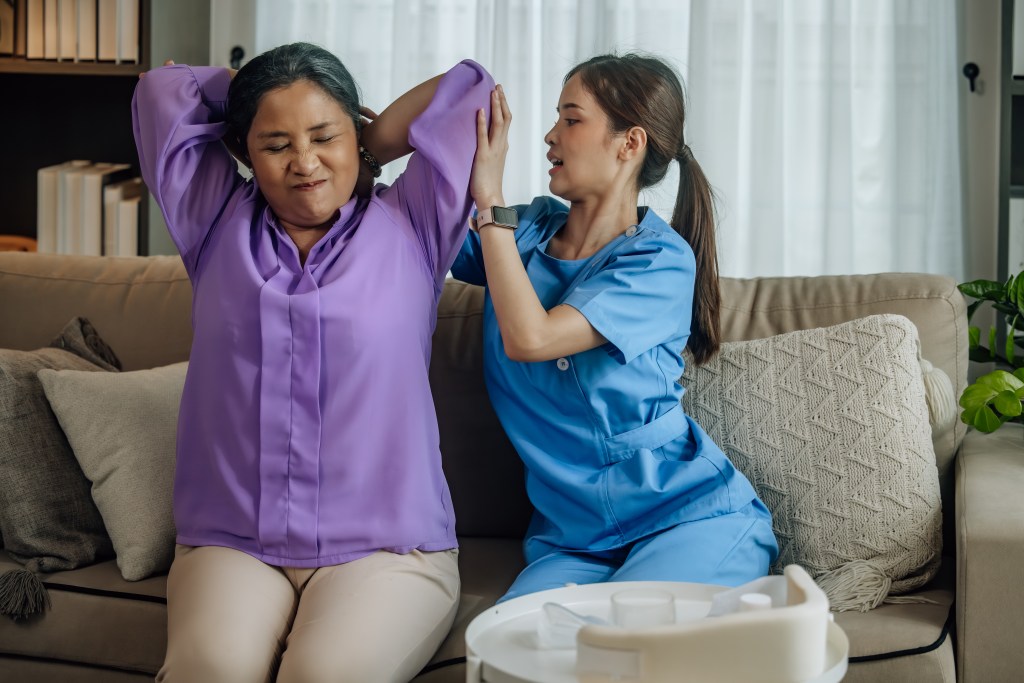
Private duty nursing offers personalized care to individuals in their homes, presenting unique considerations and challenges for nurses. This article examines five key areas where private duty nurses must navigate complex dynamics and potential obstacles: ensuring patient safety and monitoring, coping with isolation and lack of support, managing family dynamics and interpersonal challenges, addressing safety risks and environmental factors, and dealing with emotional and psychological stress. Understanding and effectively managing these challenges are crucial for private duty nurses to provide high-quality care while maintaining their own well-being.
1. Patient Safety and Monitoring
Private duty nurses must navigate the potential lack of resources and support available in home settings compared to hospitals. Ensuring patient safety requires meticulous attention to detail, regular monitoring of vital signs, and prompt identification and response to any changes in the patient’s condition.
2. Isolation and Lack of Support
Working in patients’ homes can be isolating for private duty nurses, lacking the camaraderie and immediate support available in hospital environments. This isolation can affect morale and contribute to feelings of professional loneliness.
3. Family Dynamics and Interpersonal Challenges
Private duty nurses often work closely with patients’ families, which can lead to complex interpersonal dynamics and communication challenges. Balancing the needs and preferences of both the patient and their family members while maintaining professional boundaries requires exceptional interpersonal skills and tact.
4. Safety Risks and Environmental Factors
Home environments may pose safety risks and environmental challenges that are not present in clinical settings. Private duty nurses must assess potential hazards, such as cluttered living spaces or pets, and take measures to mitigate risks to both themselves and their patients.
5. Emotional and Psychological Stress
Providing long-term care in intimate home settings can be emotionally taxing for private duty nurses. Witnessing patients’ suffering, navigating end-of-life care, and managing complex family dynamics can contribute to burnout and emotional exhaustion. Self-care and support systems are essential for nurses to cope with the emotional demands of their work.
Conclusion: What is Private Duty Nursing (PDN)?
Private duty nursing serves as a cornerstone of personalized healthcare delivery, offering essential support to individuals with complex medical needs in the comfort of their own homes. Throughout this exploration of private duty nursing, we have delved into its multifaceted roles and responsibilities, the diverse range of patients and conditions served, the benefits it provides, and the considerations and challenges inherent in this practice.
Despite the unique obstacles private duty nurses face, including ensuring patient safety, navigating family dynamics, and coping with emotional stress, their dedication and commitment to providing high-quality care remain unwavering. By understanding and effectively managing these challenges, private duty nurses can continue to deliver compassionate and comprehensive care while promoting the health and well-being of their patients.


Comments
On the live site, comments are moderated before they appear.
Thanks! On the live site your comment would be submitted for review.