
When families and individuals begin exploring services for adults with Intellectual and Developmental Disabilities (IDD), one of the most common points of confusion is understanding the difference between Individualized Home Support (IHS) and Individualized Day Support (IDS). While both services are designed to promote independence, dignity, and quality of life, they serve different purposes, take place in different environments, and support different daily goals.
Choosing the right service—or combination of services—can have a significant impact on an individual’s daily routine, long-term development, and overall well-being. This guide breaks down the differences between IHS and IDS, explains who each service is best suited for, and outlines how OneWell Health Care delivers these supports through a person-centered approach.
What Is Individualized Home Support (IHS)?
Definition and Purpose of IHS
Individualized Home Support (IHS) is a service provided within an individual’s home or personal living environment. The primary goal of IHS is to help individuals develop the skills needed to live as independently as possible in their own space while maintaining safety, routine, and comfort.
IHS services are highly individualized and typically delivered on a one-to-one (1:1) basis. Support is structured around the individual’s daily needs, abilities, and personal goals.
What Does Individualized Home Support Include?
Daily Living Skills Development
- Personal hygiene and self-care routines
- Meal planning, cooking, and kitchen safety
- Household cleaning and organization
- Laundry and basic home maintenance tasks
Building Independence at Home
- Establishing and maintaining daily routines
- Time management and task completion
- Decision-making and problem-solving
- Managing responsibilities within the home
Safety and Stability
- Home safety awareness
- Emergency preparedness
- Non-medical medication reminders
- Support with transitions and daily structure
Who Benefits Most From IHS?
Individualized Home Support is often the right choice for adults who:
- structured support within their home environment
- Are learning or strengthening independent living skills
- Prefer familiar, low-stimulation settings
- Require consistency and routine to succeed

What Is Individualized Day Support (IDS)?
Definition and Purpose of IDS
Individualized Day Support (IDS) focuses on supporting individuals outside of the home during daytime hours. This service is designed to promote community participation, social engagement, and independence in public settings.
IDS helps individuals actively engage with their communities, develop social and functional skills, and participate in meaningful daily activities beyond their home environment.
What Does Individualized Day Support Include?
Community Integration
- Using public transportation
- Grocery shopping and running errands
- Visiting libraries, parks, cafés, and community spaces
- Attending local events or activities
Social and Communication Skills
- Practicing appropriate social interactions
- Building confidence in public settings
- Developing communication and self-advocacy skills
- Participating in group or shared activities
Structured Daytime Engagement
- Volunteering opportunities
- Skill-building outings
- Managing appointments and schedules
- Creating meaningful daytime routines
Who Benefits Most From IDS?
Individualized Day Support is ideal for adults who:
- Want to be more active in their community
- Need support navigating public spaces
- Are building social and communication skills
- Benefit from structured, purposeful daytime activities
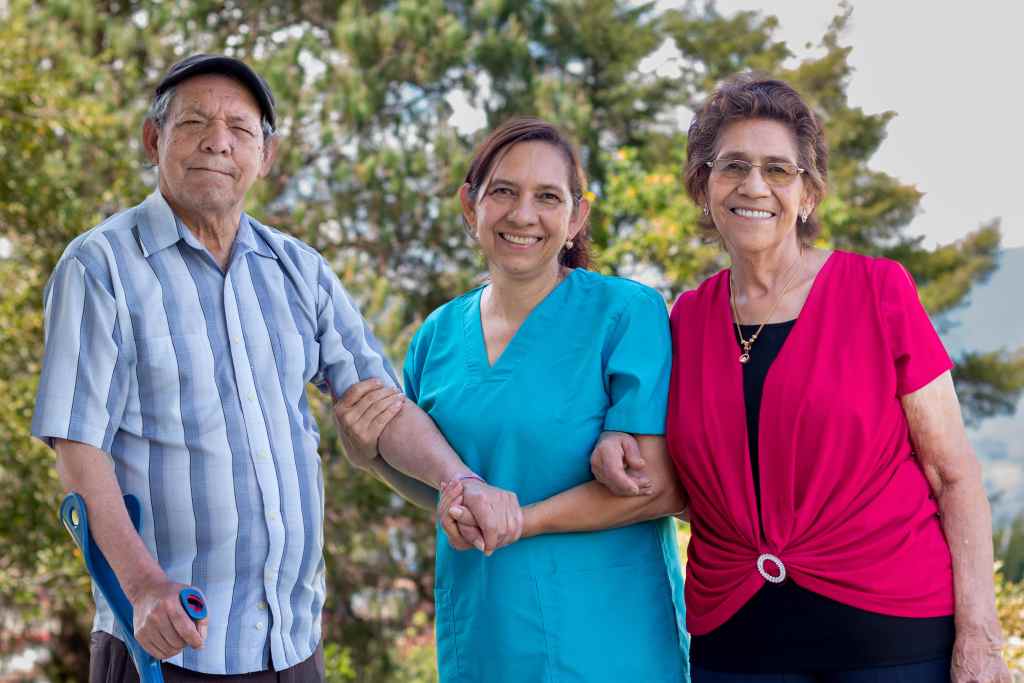
Key Differences Between Individualised Home Support and Individualised Day Support
Location of Services
- IHS: Delivered inside the home or personal living space
- IDS: Delivered in community and public environments
Primary Focus
- IHS: Independent living skills and home-based routines
- IDS: Community participation and social engagement
Daily Structure
- IHS: Focused on home responsibilities and personal routines
- IDS: Focused on daytime activities and community involvement
Type of Independence Supported
- IHS: Independence within the home
- IDS: Independence within the community
While the services differ, both are essential components of a well-rounded support plan.
Can IHS and IDS Be Used Together?
Yes—and in many cases, combining IHS and IDS creates the most effective support model.
For example:
- An individual may receive IHS in the morning to support daily routines, meal preparation, and household tasks
- The same individual may receive IDS later in the day to attend community activities, appointments, or social outings
At OneWell Health Care, services are not viewed in isolation. Support plans are designed holistically, ensuring that home life and community engagement work together seamlessly.
OneWell Health Care’s Person-Centered Approach
Individualized Planning
At OneWell Health Care, every support plan is built around the individual—not the service. Planning is guided by:
- Personal goals and preferences
- Strengths and abilities
- Daily routines and lifestyle
- Long-term independence objectives
This ensures that services feel supportive, not restrictive.
Skilled and Consistent Support Teams
OneWell’s Direct Support Professionals are trained to:
- Encourage independence without rushing progress
- Provide consistent, reliable support
- Adapt services as needs evolve
- Build trust and long-term relationships
Consistency and familiarity are key to meaningful outcomes.
Collaboration With Families and Service Coordinators
OneWell works closely with:
- Families
- Guardians
- Service Coordinators (SCs)
- Case managers
Open communication ensures accurate service matching, realistic goal setting, and ongoing evaluation of progress.

Services Available in Connecticut
OneWell Health Care currently provides both Individualized Home Support (IHS) and Individualized Day Support (IDS) services in Connecticut, supporting adults with intellectual and Developmental Disabilities through flexible, person-centered care models. These services align with the state’s broader Home and Community-Based Services (HCBS) framework and are overseen by the Connecticut Department of Developmental Services (DDS).
Through Connecticut’s HCBS system, individuals can receive tailored supports that promote independence at home while also encouraging meaningful participation in the community. Families and Service Coordinators can learn more about statewide IDD resources and service structures through organizations such as The Arc of Connecticut, which provides education and advocacy for individuals with disabilities and their families across the state.
OneWell Health Care works collaboratively with individuals, families, and Service Coordinators to ensure that IHS and IDS services in Connecticut are thoughtfully matched to each person’s goals, routines, and long-term vision for independence.
How to Decide Which Service Is Right
Choosing between IHS and IDS depends on the individual’s needs and goals.
- If the primary focus is independent living at home, IHS may be the best fit
- If the goal is greater community involvement and social engagement, IDS may be more appropriate
- If both areas require support, a combined approach often delivers the strongest outcomes
OneWell Health Care helps families and individuals navigate this decision with clarity and transparency.
Conclusion
Both Individualized Home Support and Individualized Day Support play vital roles in supporting adults with IDD. While they differ in setting and focus, they share the same core objective: empowering individuals to live meaningful, independent, and fulfilling lives.
Understanding the differences between these services allows families and support teams to make informed decisions that truly align with an individual’s needs. With a flexible, person-centered approach, OneWell Health Care ensures that support evolves alongside the individual—at home, in the community, and beyond.