

Mental health plays a crucial role in overall well-being, yet it remains one of the most misunderstood and overlooked aspects of health. World Mental Health Day, celebrated on October 10th, provides a platform to spread awareness, educate the public, and combat the stigma surrounding mental health conditions. Engaging in mental health awareness activities is an effective way to contribute to this important cause, whether you’re an organization, school, or an individual. In this blog post, we’ll explore various activities that promote mental health awareness and create a positive impact on the community.
What is Mental Health Awareness?
Mental health awareness refers to the collective efforts made to educate people about mental health conditions, reduce stigma, and promote overall well-being. Mental health conditions, such as anxiety and depression, affect millions of people globally. However, the lack of understanding and support often leads to feelings of isolation for those suffering.
Through targeted mental health awareness activities, we can encourage open conversations and provide essential tools for managing mental health more effectively. These activities help bridge the gap between those in need and the resources available to them, ensuring that individuals feel supported and understood in their journey toward mental well-being.
Why Mental Health Awareness is Important?
Mental health awareness is vital for breaking down the barriers that prevent people from seeking help. When we engage in mental health awareness activities, we not only support individuals but also contribute to a more informed and compassionate society.
The Global Impact of Mental Health Issues
Mental health issues have a far-reaching impact on individuals and communities worldwide. According to the World Health Organization (WHO), depression is one of the leading causes of disability, and suicide is the second leading cause of death among young people. The ripple effect of mental health problems extends to families, workplaces, and healthcare systems.
How Raising Awareness Can Help
By organizing mental health awareness activities, we can help reduce stigma and promote early intervention. Raising awareness encourages people to seek professional help, support each other, and recognize the signs of mental health struggles. Additionally, these activities foster a sense of community and shared understanding, which is essential for creating lasting change.

Mental Health Awareness Activities for Different Settings
Mental health awareness activities can be adapted to various settings, ensuring maximum impact and engagement. Here’s how these activities can be tailored for schools, workplaces, and communities:
Mental Health Awareness Activities for Schools
- Mindfulness sessions for students: Introduce mindfulness exercises such as deep breathing or guided meditation to help students manage stress and anxiety. These mental health awareness activities for students can significantly enhance their emotional resilience.
- Mental health speakers for high school students: Invite mental health professionals to discuss common challenges like academic pressure, anxiety, and coping mechanisms. These discussions are crucial as mental health awareness activities for high school students help normalize conversations around mental health.
- Art therapy workshops: Encourage creativity through art therapy as a form of self-expression, using activities like painting, drawing, or journaling, which can help students process emotions. Such mental health awareness activities provide a safe space for self-exploration.
- Mental health awareness days for college students: Organize events on campus that promote available resources, mental health screenings, and peer support programs. These dedicated days serve as impactful mental health awareness activities for college students to foster a supportive community.
- Peer support programs: Establish student-led mental health groups where peers can share experiences and provide emotional support to one another. These programs are excellent examples of promoting mutual understanding and compassion.
Mental Health Awareness Activities for Workplaces
- Stress management workshops: Offer workshops that teach employees how to handle workplace stress through relaxation techniques, time management, and mindfulness.
- Employee Assistance Programs (EAPs): Provide confidential counseling services for employees to seek professional help for mental health concerns.
- Mental health days: Encourage employees to take mental health days off, allowing them to recharge and focus on self-care.
- Workplace mental health training: Conduct training sessions for management and staff on recognizing signs of burnout, stress, and mental health struggles in the workplace. This training forms the foundation of proactive mental health awareness activities for workplaces.
- Promote open communication: Create a supportive environment by encouraging open discussions about mental health without stigma, ensuring employees feel comfortable seeking help. Fostering open communication is one of the most effective mental health awareness activities for employees to cultivate a healthier workplace culture.
Mental Health Awareness Activities for Adults and Communities
Mental health awareness is crucial for fostering a supportive environment for individuals and communities alike. Within this framework, adults play a significant role, as they often face unique challenges that impact their mental well-being
- Public mental health talks: Host community events where mental health experts share insights on managing mental health, available resources, and coping strategies. These mental health awareness events can foster a greater understanding of mental health issues within both adults and the wider community.
- Charity runs for mental health: Organize charity runs or walks to raise funds and awareness for mental health causes, engaging the community in a healthy, supportive activity. Such initiatives serve as impactful mental health awareness activities, promoting both physical and mental well-being for individuals and communities alike.
- Support group sessions: Create safe spaces within the community where individuals can come together, share experiences, and support each other through mental health challenges. These sessions can be integral to various mental health awareness events, providing crucial emotional support for adults facing similar struggles.
- Community art therapy: Encourage community members to participate in group art therapy sessions, allowing them to express their emotions creatively. This therapeutic approach can benefit both individuals and the community as a whole by enhancing emotional well-being.
- Mental health resource fairs: Organize fairs where local mental health organizations provide information, resources, and free mental health screenings to the community.

What Activities Can You Do on a Mental Health Day?
Setting aside time to focus on personal well-being and raising awareness about mental health is a powerful way to nurture mental resilience. Whether you’re looking for stress-relief activities or ways to connect with others, there are plenty of options to support mental health. Below are ten engaging ideas to make the most of your mental health awareness day.
10 Engaging Ideas for Mental Health Awareness
- Organize a “Wear Green” Day: Encourage participants to wear green, the color of mental health awareness, to spark conversations about mental health. This simple action can make a significant impact and serve as a visual representation of support.
- Host a Mental Health Fair: Set up booths with local mental health organizations, providing information, resources, and activities such as stress relief techniques. This can be one of the key mental health day activities that engage the community.
- Create a Mental Health Resource Wall: Set up a bulletin board or wall where people can post resources, quotes, or personal experiences related to mental health. This interactive element can foster connection and encourage individuals to share their stories.
- Mindfulness Walks: Organize a group walk in nature, promoting mindfulness and mental well-being. Participants can practice mindfulness techniques while enjoying the fresh air, making it a refreshing mental health awareness activity.
- Digital Mental Health Campaign: Launch a social media campaign that encourages individuals to share their mental health journeys using a specific hashtag. This can promote awareness and support, helping to reduce stigma.
- Creative Workshops: Offer workshops focused on creative expressions like writing, painting, or music. These workshops can be therapeutic and serve as an engaging way to discuss mental health in a supportive environment.
- Mindfulness Stations: Set up various mindfulness stations where participants can learn techniques such as deep breathing, meditation, or yoga. These stations can serve as hands-on mental health day activities that promote self-care.
- Collaborative Community Art Project: Encourage community members to contribute to a large mural or art piece that represents mental health awareness. This collaborative effort can foster unity and spark conversations about mental health.
- Trivia or Quiz Competition: Organize a fun trivia game focusing on mental health facts and myths. This engaging activity can be both entertaining and educational, helping to spread awareness in a lighthearted manner.
- Create Care Packages: Organize a drive to create care packages filled with self-care items, resources, and uplifting notes for individuals in need. This initiative can make a tangible difference in the community and serve as an impactful mental health awareness activity.

How to Create Mental Health Awareness
Having explored various activities and initiatives that can be undertaken on Mental Health Day, we now arrive at the most crucial aspect: the ongoing commitment to creating mental health awareness. This effort is essential not just for one day but as a continuous journey toward fostering understanding, compassion, and support within our communities. Here are some key strategies to effectively create and sustain mental health awareness:
Foster Open Dialogue: Encourage conversations about mental health in schools, workplaces, and community settings. Normalizing these discussions helps reduce stigma and empowers individuals to share their experiences and seek help.
Educate and Inform: Provide educational resources that outline common mental health issues and their signs. This can be done through workshops, seminars, or easily accessible online materials that equip people with knowledge.
Engage Community Leaders: Collaborate with local organizations, schools, and businesses to amplify the message of mental health awareness. Working together can create a unified front that reaches a larger audience and reinforces the importance of mental well-being.
Leverage Social Media: Use digital platforms to spread awareness and share resources. Social media campaigns can encourage individuals to share their stories and experiences, fostering a sense of community and support.
Promote Mental Health Resources: Ensure that information about available mental health services and resources is easily accessible. This can include helplines, counseling services, and community support groups.
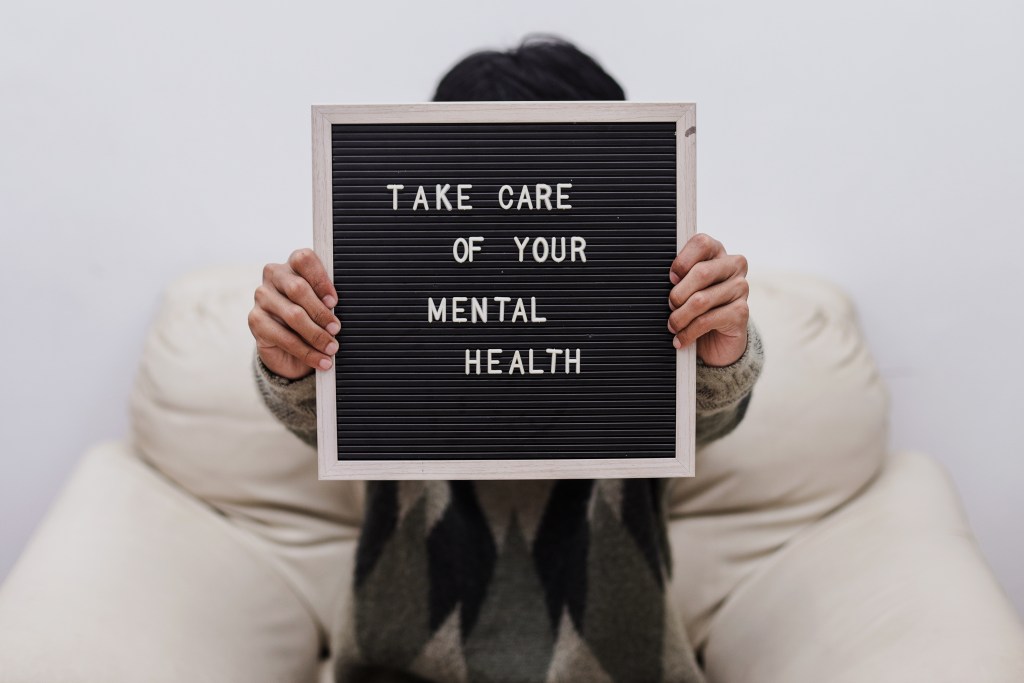
Creating and promoting mental health awareness is an ongoing commitment that requires the collective effort of individuals, organizations, and communities. By engaging in various mental health awareness activities, we can break down barriers, reduce stigma, and foster an environment where open conversations about mental well-being are welcomed and encouraged. Each initiative, whether large or small, contributes to a greater understanding of mental health issues and provides essential support for those in need.
As we embark on this important journey, let’s remember that every action counts, no matter how small. By coming together as a community, we can break the stigma surrounding mental health and foster an atmosphere of understanding and support.
If you’re looking for more resources, support, or ways to get involved, we invite you to explore OneWell.org. At OneWell, we believe in the power of connection and compassion in transforming lives. Together, we can make a meaningful difference in the mental health landscape and ensure that everyone feels seen, heard, and supported. Let’s take this step forward together—because when it comes to mental health, we are all in this together.



This helped us understand what to expect in the first month. Thank you!
Clear and practical — shared this with our team.