

Applied Behavior Analysis (ABA) Therapy
Personalized ABA Therapy Designed Around Your Child
At OneWell Health Care, we provide individualized Applied Behavior Analysis (ABA) therapy for children and young adults with autism spectrum disorder and related developmental needs.
Every treatment plan is created and supervised by a Board Certified Behavior Analyst (BCBA), working closely with your family to set meaningful goals, track real progress, and adjust care as your child grows.
We believe ABA is about more than reducing challenging behaviors — it's about building the communication, independence, safety, and social skills that help your child thrive at home, at school, and in daily life.
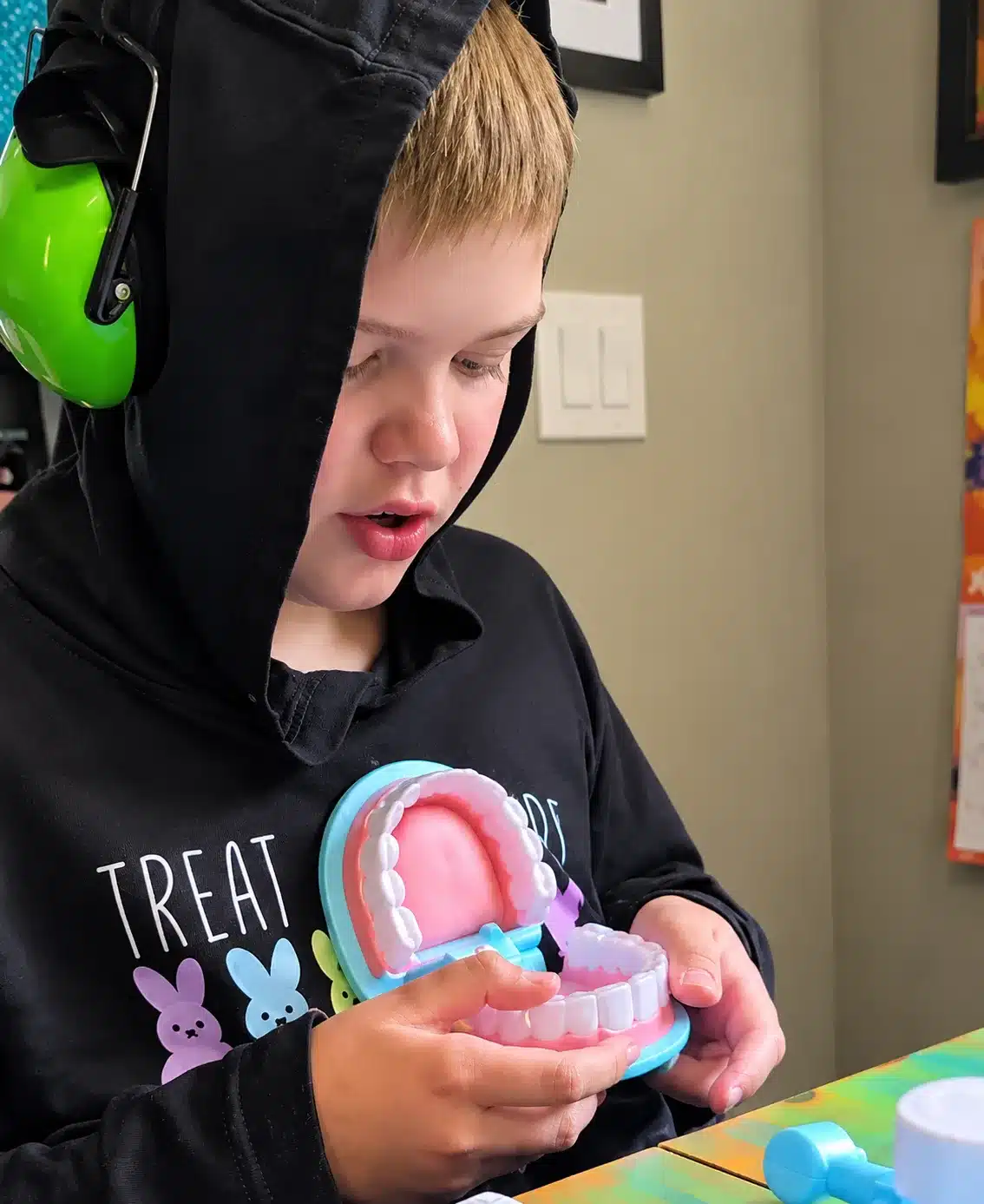
Available in
 Connecticut
Coverage
Accepted Insurances


Overview
What Is ABA Therapy?
Applied Behavior Analysis (ABA) is an evidence-based therapy that helps children build meaningful skills — like communication, social interaction, independence, and self-care — by understanding how behavior is influenced by the environment around them.
At OneWell, ABA therapy is never one-size-fits-all. Every program is supervised by a Board Certified Behavior Analyst (BCBA) and built around your child's individual strengths, needs, and family priorities — with the goal of supporting real progress in everyday life, not just reducing behaviors.
Communication
Social interaction
Independence
Self-care
Safety
Our Difference
What Makes OneWell ABA Therapy Different?
Individualized ABA Treatment Plans
Every plan is built around your child's unique strengths, needs, preferences, and developmental level — not a one-size-fits-all curriculum.
Clinical Care Oversight
A Board Certified Behavior Analyst (BCBA) personally oversees every assessment, treatment plan, and clinical decision — ensuring care meets the highest professional standards.
Data-Driven Progress Tracking
We continuously monitor progress and use objective data to determine what is working, what needs to change, and whether services remain clinically appropriate.
Family Partnership
Parents and caregivers are important members of the treatment team. We provide education, training, and support so skills can be reinforced beyond therapy sessions.
A Focus on Real-Life, Functional Skills
We prioritize communication, independence, social interaction, self-care, and safety — the skills that make the biggest difference in everyday life.

Care Settings
Where Are ABA Services Provided?
OneWell provides ABA therapy across multiple settings, so your child can practice skills in the environments where they matter most. The right setting — or combination of settings — depends on your child's clinical needs, treatment goals, and insurance authorization.
In-Home ABA Therapy
Therapy delivered in your own home, where your child is most comfortable — ideal for building daily living skills and working directly with family routines.
Clinic-Based ABA Therapy
Structured sessions in our clinic setting, offering a consistent, distraction-controlled environment for skill-building and peer interaction.
Community-Based ABA Therapy
Sessions in real-world community settings — like grocery stores, parks, or playgrounds — to help children generalize skills beyond the therapy room.
School-Based ABA Therapy
When clinically appropriate and approved, our team can support your child's goals within their school or educational setting, coordinating closely with IEP teams.
Providing ABA therapy across multiple environments supports generalization — helping children apply the skills they learn in therapy to everyday life at home, school, and in the community.
Not sure which setting is right for your child?
Getting Started
Our ABA Service Process
From your first call to your child's first session, here's what to expect when starting ABA therapy with OneWell.
Referral & Intake
The process begins when a parent, caregiver, medical provider, school professional, or other appropriate referral source contacts OneWell.
Our intake team gathers the information needed to determine whether our ABA program may be an appropriate fit and explains the next steps.
Insurance & Benefits Verification
Our team works with your family to identify insurance requirements and gather the documentation needed to begin the authorization process.
Depending on the insurance plan, documentation may include:
- Autism or developmental diagnosis
- Diagnostic evaluation
- Physician referral or supporting documentation
- Insurance information
- Clinical records
- Other documentation required by the health plan
We help families understand what is needed and keep them informed throughout the process. Authorization timelines vary by insurance plan — our team will let you know what to expect for yours.
Family & Clinical Meet-and-Greet
Before services begin, your family has an opportunity to meet with members of the clinical team, discuss priorities, ask questions, and learn what ABA services may look like for their child.
This conversation also helps us understand the child's routines, strengths, interests, communication style, and areas where your family would like additional support.
Comprehensive Assessment
A Board Certified Behavior Analyst (BCBA) completes an individualized assessment that may include:
- Caregiver interviews
- Direct observation
- Review of developmental and clinical history
- Skill assessments
- Functional behavior assessment when clinically indicated
- Standardized assessment tools when appropriate
The purpose of the assessment is to identify meaningful strengths, skill deficits, barriers to learning, and treatment priorities.
Individualized Treatment Plan
Using the assessment findings, the BCBA develops an individualized treatment plan that identifies:
- Treatment goals
- Recommended services
- Appropriate treatment setting
- Intervention strategies
- Caregiver involvement
- Methods for measuring progress
- Criteria for modifying, transitioning, or ending services
The treatment plan is reviewed with your family and submitted to the insurance provider when authorization is required.
ABA Therapy Begins
Once services are authorized and staffing and scheduling are established, therapy begins.
Direct services are typically provided by trained Registered Behavior Technicians (RBTs) — professionals who deliver hands-on therapy under the clinical supervision of a BCBA — along with other qualified team members.
Ongoing Progress & Clinical Review
ABA is not intended to remain unchanged over time. Our treatment team regularly reviews data and evaluates whether your child is making meaningful progress toward treatment goals.
When appropriate, the BCBA may:
- Modify treatment goals
- Adjust intervention strategies
- Change the intensity or schedule of services
- Introduce new skill-building programs
- Provide additional caregiver training
- Recommend changes in treatment setting
- Begin transition or discharge planning
ABA is not intended to remain unchanged over time. Our treatment team regularly reviews data and evaluates whether your child is making meaningful progress toward treatment goals.
ABA Therapy
Frequently Asked Questions
What is ABA Therapy?
Applied Behavior Analysis (ABA) is an evidence-based therapy that helps children build meaningful skills — like communication, social interaction, independence, and self-care — by understanding how behavior is influenced by the environment around them.
At OneWell, ABA therapy is never one-size-fits-all. Every program is supervised by a Board Certified Behavior Analyst (BCBA) and built around your child's individual strengths, needs, and family priorities — with the goal of supporting real progress in everyday life, not just reducing behaviors.
Does insurance cover ABA therapy and how much does it cost?
Coverage varies by insurance plan and individual eligibility. OneWell works directly with families to verify benefits and identify any authorization or documentation requirements — even when ABA is a covered benefit, the amount of service authorized can vary by plan.
Does my child need an autism diagnosis to receive ABA therapy?
In many cases, a formal autism spectrum disorder (ASD) diagnosis is required for insurance to cover Applied Behavior Analysis (ABA) therapy. However, requirements may vary depending on your child's insurance plan, clinical needs, and referral status. OneWell's ABA team can help families understand the eligibility and authorization process, verify insurance benefits, and identify the next steps for beginning ABA therapy in Connecticut. If your child has not yet received an autism diagnosis, contact OneWell to discuss available options and resources.
How many hours of ABA therapy will my child need each week?
There's no standard number of hours that fits every child. A BCBA determines the recommended intensity of services based on your child's assessment results, clinical needs, and treatment goals — as well as insurance authorization requirements. The goal is always the clinically appropriate amount of care, not simply the maximum available.
How do I get started?
The first step is to contact OneWell's intake team. We will gather basic information about your child, review available documentation, discuss your concerns and goals, and explain the next steps for determining eligibility and beginning the assessment process.
More questions
What age children does OneWell's ABA program serve?
OneWell's ABA program serves children and young adults ages 2–21, with services individualized according to developmental level, clinical needs, treatment goals, and eligibility requirements.
How long will my child need ABA therapy?
There's no predetermined length of treatment. Duration depends on clinical need, progress toward goals, and your child's changing needs over time. As children develop skills and independence, the BCBA may recommend changes to services — and when intensive ABA is no longer clinically necessary, we work with your family on a transition or discharge plan.
What does a typical ABA session look like?
No two sessions look exactly the same. Depending on your child's goals, a session might focus on communication, social skills, daily living routines, learning skills, or coping strategies. Therapists use individualized teaching strategies and positive reinforcement while collecting data on progress throughout.
How involved are parents and caregivers in ABA therapy?
Very involved. Caregivers participate in training, treatment planning, and progress discussions so that strategies can be reinforced at home — not just during therapy sessions. The BCBA also provides direct caregiver training as part of your child's individualized plan.
How do you know if ABA therapy is working?
Progress is tracked using objective data and regular clinical review — not guesswork. Depending on your child's goals, the team measures changes in communication, social skills, independence, or behaviors that interfere with daily functioning. If a child isn't making expected progress, the BCBA re-evaluates the plan and adjusts strategies as needed, with your family included in that conversation.
Is ABA therapy only focused on reducing challenging behavior?
No. While ABA can help address behaviors that interfere with learning, safety, or daily functioning, treatment is just as focused on building new skills — communication, social interaction, self-care, independence, more.