
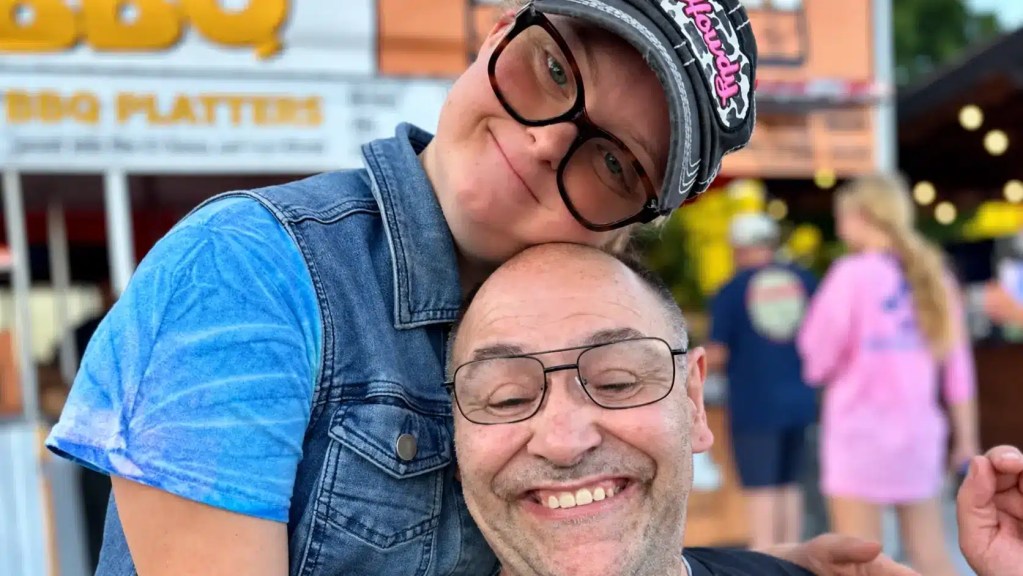
Every October, Down Syndrome Awareness Month brings people together to celebrate individuals with Down Syndrome and the lives they are building—as students, colleagues, friends, partners, athletes, and advocates. It is a time to share accomplishments, strengthen connections, and learn from a community whose experiences are still too often shaped by other people’s assumptions.
There is an important history behind that celebration. Families once had to fight for their children to grow up at home and attend school. Today, people with Down Syndrome continue to advocate for opportunities to work, develop relationships, and take part in decisions about their futures. October gives these experiences a wider audience and asks all of us to consider how our communities can support the next chapter.
When Is Down Syndrome Awareness Month, and Why Was It Created?
Down Syndrome Awareness Month is observed every October in the United States. The month promotes public understanding, celebrates people with Down Syndrome, and encourages advocacy for their participation in community life.
Its roots lie in the advocacy efforts of the 1980s. National Down Syndrome Society (NDSS) helped campaign for October’s recognition. A documented milestone came on October 9, 1984, when President Ronald Reagan issued Proclamation 5252, designating October 1984 as “National Down’s Syndrome Month,” using the terminology of the time.
The proclamation described advances in education, vocational training, and independent living, while acknowledging that public acceptance remained unfinished work. It credited families, educators, researchers, healthcare professionals, and advocacy organizations for helping create those opportunities.
That history explains why the observance matters. Greater medical knowledge could improve understanding of the condition, but people also needed access to classrooms, workplaces, and the everyday experiences from which they had been excluded. Public awareness was part of changing those expectations.
October’s observance is separate from World Down Syndrome Day on March 21, which has been officially observed by the United Nations since 2012. The date, 3/21, represents the three copies of chromosome 21 associated with trisomy 21. Together, the two observances provide opportunities to celebrate the community and draw attention to its priorities.
Celebrating Abilities—and Making Room to Develop Them
One of the most valuable things an awareness month can do is help people reconsider an assumption before it becomes a limit on someone else’s opportunities.
Special Olympics offers a striking example. Its account of Down Syndrome Awareness Month recalls the false belief that people with Down Syndrome would sink in water. Swimming was included in the first Special Olympics Games in 1968, and athletes with Down Syndrome have since participated in sports ranging from gymnastics and basketball to open-water swimming.
Stories like this show why access matters. A person cannot discover whether they enjoy swimming, acting, studying, or a particular kind of work if the opportunity is ruled out before they can try.
The same principle applies to everyday experiences. Learning a job task may require more practice or clearer instructions. Joining a community activity may involve adapting how information is shared. Supporting participation means taking those needs seriously while allowing the person’s interests to guide the process.
Celebration should also leave room for ordinary life. A friendship, a favorite weekly activity, a new skill, or a decision made with confidence can matter deeply to the person involved. People with Down Syndrome deserve respect and belonging throughout these experiences, regardless of whether their achievements attract public attention.
Supporting People and Families Through Each Stage of Life
For families, the questions surrounding Down Syndrome change over time. Early conversations may involve development and education. Later, priorities can include further learning, employment, relationships, living arrangements, and support as a person grows older.
Down Syndrome Awareness Month is an opportunity to make useful information easier to find—and to recognize that families need connection as well as guidance.
Hope on the Hard Road emphasizes the value of parent groups and community gatherings where families can ask questions, share experiences, and form friendships. That connection can give people somewhere to turn when they face an unfamiliar decision or want to celebrate a milestone with someone who understands.
There are also practical resources to explore. GiGi’s Playhouse offers free educational, therapeutic, and career development programs for people with Down Syndrome. NDSS provides information and advocacy resources addressing different stages of life. Local availability and individual needs will shape which options are most useful.
As children become adults, their own preferences should increasingly guide these conversations. Speak directly to the person, give them time and accessible information to express their views, and ask what they want from the support around them. Families and professionals bring valuable knowledge; the person brings knowledge of their own life.
Recognizing Down Syndrome Awareness Month at OneWell
At OneWell Health Care, leadership, team members, and different home care professionals marked Down Syndrome Awareness Month by wearing navy blue and yellow in support of the Down Syndrome community.

Their participation offered a visible expression of support and an opportunity to bring attention to the meaning behind the month. Alongside learning about its history, moments like these can help open conversations about respect, belonging, and inclusion.
For OneWell, the message connects with our person-centered approach: we see the person, not the diagnosis. Recognizing someone’s individuality means listening to their preferences, respecting their decisions, and supporting the goals that matter to them.
Carrying October’s Message Forward
This October, take time to hear from people with Down Syndrome: read their work, listen to their perspectives, and learn about the opportunities they want in their own communities. Support a local organization, explore a volunteer opportunity, or share a reliable resource with someone who could use it.
Down Syndrome Awareness Month honors the people who challenged exclusion and celebrates those shaping their own futures today. We can carry that history forward by making space for people’s choices, supporting their participation, and welcoming the relationships and contributions they bring. 💙
Support That Starts With the Person!
This Down Syndrome Awareness Month, discover support that puts your family member’s interests, choices, and goals at the center. At OneWell Health Care, we see the person, not the diagnosis—and work with individuals and families to support daily living, independence, and meaningful community participation.


Join the Conversation
Share your thoughts or a question below.