


This National Family Caregivers Month, OneWell Health Care celebrates the people who support loved ones at home and in their communities. Family caregivers help keep daily routines on track, navigate services, and make room for the things their loved ones want to do. Much of that work happens quietly, in the hours between appointments and alongside the rest of family life.
For families supporting people with intellectual and developmental disabilities (IDD), caregiving can involve years of learning, coordination, and advocacy. It can also bring shared achievements, closer relationships, and the satisfaction of helping someone pursue their own goals.
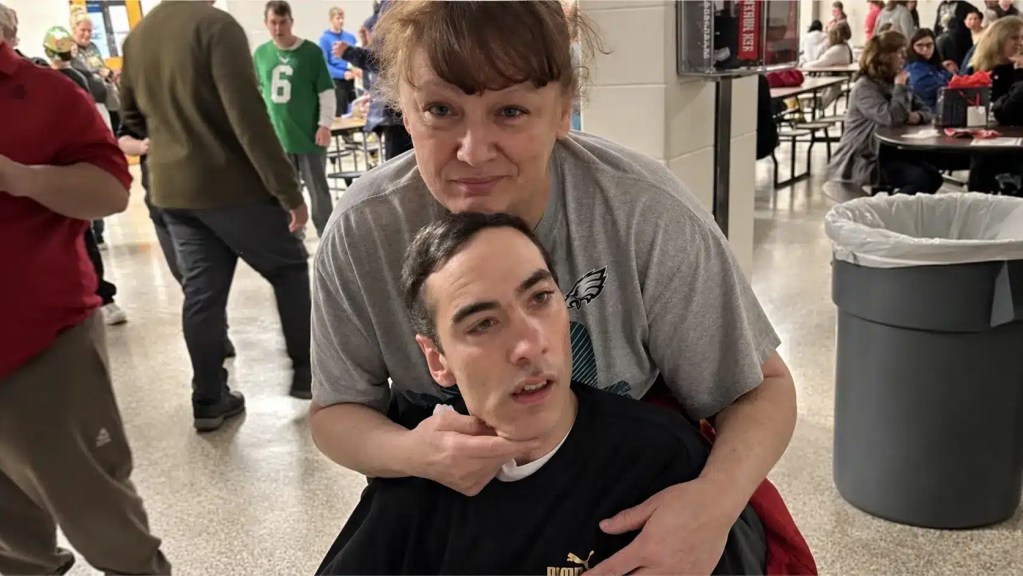
When Sheila Garcia was looking for support for her son, some of the most useful guidance came from other families. They shared what they had learned and pointed her toward resources she might not have found on her own. Today, as an IDD Program Specialist at OneWell, she brings that experience to her work with caregivers. Drawing on personal experience and their work with families, Sheila Garcia, Marla Langley, Dominique Harrison, and Imelda Guzeldere share why family caregivers’ knowledge matters and what meaningful support can look like.
Those experiences deserve recognition. They also deserve dependable support. This November offers an opportunity to understand what family caregiving involves, why it matters to our care systems, and what can help families navigate their responsibilities.
What Is National Family Caregivers Month?
National Family Caregivers Month is a U.S. observance held every November to recognize family caregivers, raise awareness of their experiences, and connect them with support. Caregiving may involve helping a relative, partner, friend, or someone regarded as family who has a disability, health condition, or ongoing support need.
Many people take on these responsibilities without adopting the label “caregiver.” They see themselves as a daughter helping her father, a husband supporting his wife, or a parent doing what their child needs. Recognizing the caregiving role can help people identify resources intended for them.
The observance developed through advocacy by the National Family Caregivers Association, now Caregiver Action Network. The organization began promoting recognition during Thanksgiving week in 1994. President Bill Clinton issued a proclamation recognizing National Family Caregivers Week in 1997, and the observance subsequently expanded into a month.
Its purpose reflects a continuing need: making family caregiving visible and encouraging communities, employers, and service systems to share responsibility for supporting it.

Why Family Caregiver Support Matters in the IDD Community
When Marla Langley, Family Engagement and Support Manager, visits families across Pennsylvania, she hears about the work that goes on between appointments: coordinating services, keeping routines going, and advocating for what a loved one needs. She makes a point of asking caregivers what would help them, too.
“When I visit families across Pennsylvania, I hear the same needs again and again: rest, connection, practical help, and someone who will listen.”
Sometimes a simple question brings a need into focus. When Marla asked one mother what would make the biggest difference for her family, the mother told her that she and her husband had never been away together on their own. That conversation opened the door to respite care, which gives family caregivers time away while their loved one continues to receive support. Marla recalls another family that once received respite and later began providing it to other families.
Dominique Harrison, an IDD Program Specialist at OneWell, has seen how hard it can be for family caregivers to ask for time for themselves, especially when taking a break brings up feelings of guilt. She says dependable staff can give families space to talk about a difficult day with someone who understands what daily care involves.
“Families sometimes get to vent and connect with staff because they can look at them as someone who ‘gets it’.”
Dominique recalls one family that came to see their support staff as part of the family. As trust grew, staff shared practical ways to respond during difficult moments, giving the family strategies they could use at home. The relationship gave them both someone they felt comfortable talking to and more options for navigating those moments together.
Looking Ahead With Family Caregivers
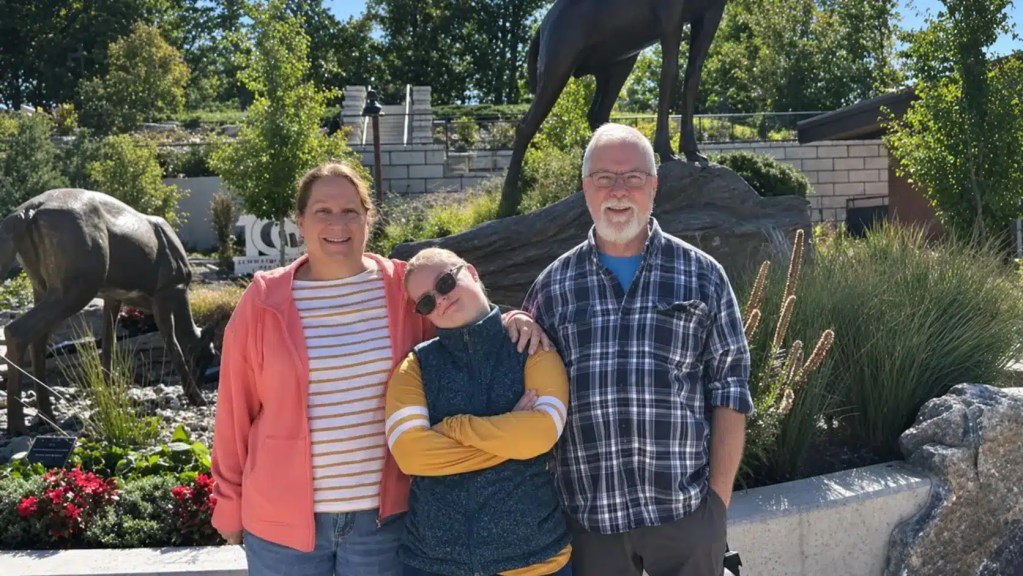
When Sheila was looking for the right support for her son, she didn’t always know where to turn. Outside agencies and a support coordinator helped her find her bearings. Other families could tell her what it had been like to make similar decisions and point her toward resources she might never have found on her own.
“Sometimes the most valuable resource we can give another family is the knowledge that comes from having been there ourselves.”
As her son grew, Sheila began asking a harder question: What would his life look like when she could no longer provide the same support? She wanted him to have chances to learn new skills, build relationships, and gain confidence. Some of those opportunities would come from spending time with people outside the family and trying things she couldn’t arrange on her own.
Accepting help meant learning to trust others and giving her son room to have experiences of his own. Sheila now brings that perspective to her work as a Program Specialist. She wants families to have what made a difference for her: someone who can help them sort through their options and other caregivers they can turn to when the next step feels uncertain.
Families can start that conversation with two questions: What would your loved one like to do or try next? Who else could help make that possible? The answers can guide a discussion with a support coordinator about opportunities and services that fit the person’s preferences.

Supporting Family Caregivers Through OneWell’s Family Hire Program
“At OneWell, we believe family caregivers deserve more than recognition. They deserve meaningful support, financial opportunities, professional guidance, and the reassurance that they are not navigating this journey alone.”
Imelda Guzeldere, Family Engagement and Support Manager
Through OneWell’s Family Hire Program, eligible family members can explore becoming paid caregivers for their loved ones. For an individual who wants support from a family member, the program offers a way to build on a relationship and routines they already know.
Marla describes what support looks like after a family gets started:
- Check-ins: Program Specialists and the Family Engagement and Support team stay in touch with families.
- Scheduling and documentation: The team helps families manage schedules and paperwork.
- Connections to services: The team introduces families to services they may not know about.
- Family gatherings: OneWell hosts events throughout the year, including fall festivals, where individuals and families can spend time together and meet others.
Stay connected! Follow OneWell on social media for updates on upcoming events and opportunities to connect with our community. 💙
Wondering whether the Family Hire Program could be right for your family? Contact OneWell to learn about eligibility and what getting started would look like.
Celebrating Family Caregivers at OneWell
To the family caregivers who stay up sorting through paperwork, make one more call when an answer is still out of reach, and help a loved one take the next step toward a goal of their own: Thank you! 💙
And to the families who turn what they’ve learned into a lifeline for someone just beginning to look for support: thank you for making the next step a little less daunting.
We’ll leave the last word to Sheila:
“I learned that loving my son didn’t mean I had to do everything for him. It meant finding the support, resources, and opportunities what allow him to grow beyond what I could provide on my own. It wasn’t about letting; it was about creating a future for him. And that journey is what brought me to where I am today, helping other families find their way. To every family caregiver: I hear you. I see you. And I want you to know that you don’t have to walk this journey alone.”
Explore Support Through OneWell’s Family Hire Program
This National Family Caregivers Month, find out whether paid family caregiving through OneWell could be an option for you. Our team can answer questions about eligibility, availability, and next steps.


Join the Conversation
Share your thoughts or a question below.